
Other factors to consider
Gender inequality is experienced differently depending on intersecting factors such as disability, culture, age, sexuality, gender identity, economic security, and geographic location. These aspects often overlap, compounding disadvantage over time.
In Tasmania’s diverse population, where people’s identities, circumstances, and needs vary widely across regions and communities, applying an intersectional lens ensures initiatives are inclusive and better aligned with the lived experiences of all Tasmanians.
Gender is just one element of a person’s identity. Other factors, such as economic security or disability can significantly impact a person's experiences.
Addressing these overlapping forms of marginalisation allows for a deeper understanding of inequalities and helps create responses that are meaningful and effective for everyone.
“I’ve spent my life trying to be seen, not just as a woman, not just as queer, not just as someone living outside the city but as all of those things at once. When policies only focus on one part of me, the rest of me disappears. Real inclusion means recognising the full story of who we are.” LGBTQIA+ community member, regional Tasmania
“Despite my qualifications and experience, I was often told I needed 'local experience'. I could feel how my accent and background shaped how people saw me. As a migrant woman, I had to work harder just to be given the same chance.” Migrant community member, southern Tasmania
Personal identity
Different aspects of a person’s identity can expose them to different experiences in society and can sometimes interact to create inequality and exclusion. Finding out more about how these different aspects of a person's identity impact the policy, program or service you are working on can help to ensure more equal access.
Aspects of a person’s identity and experience to consider
- Gender
- Age
- Sex
- Socio-economic status
- Sexual orientation
- Religion
- Mental health
- Ability
- Language
- Geographic location
- Aboriginality
- Ethnicity
- Nationality
- Migration or visa status
- Refugee or asylum seeker background
- Criminal record
The story in data
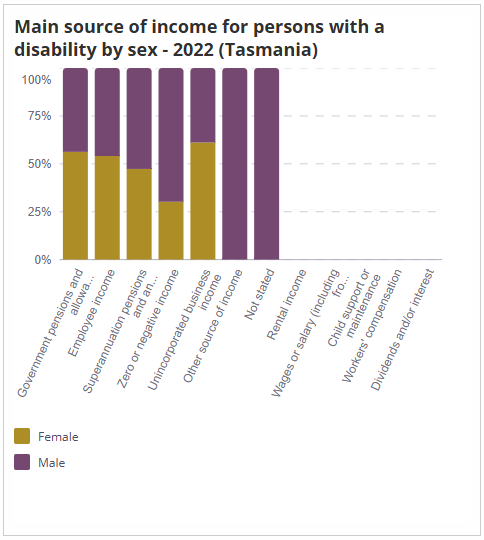
- In Tasmania, women with disability are more likely to rely on government support, while men are more likely to earn income through employment. This reflects how gender and disability intersect to affect financial security and access to work.
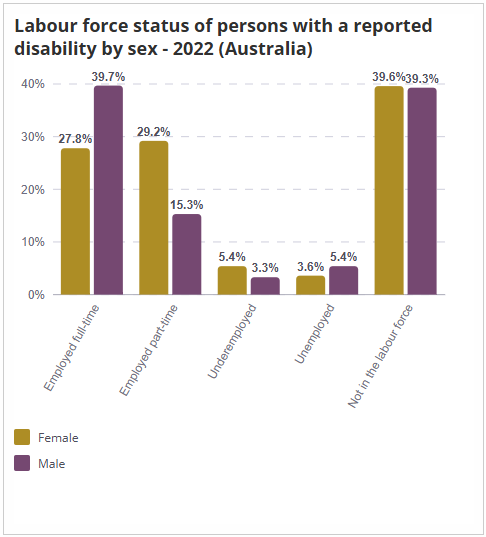
- Across Australia, women with disability are less likely than men to be in full-time work and more likely to be underemployed or in part-time roles, limiting their access to secure and adequate income.
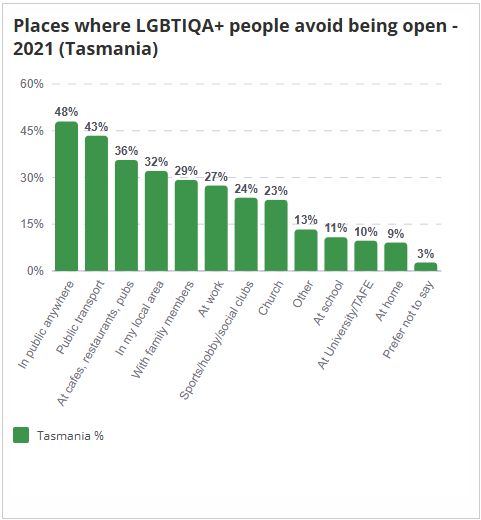
- LGBTIQA+ people in Tasmania often avoid being open about their identity in public and everyday settings. Many report concealing their identity on public transport, at social venues, and even with family or at work, reflecting ongoing stigma and a need for safer, more inclusive environments.
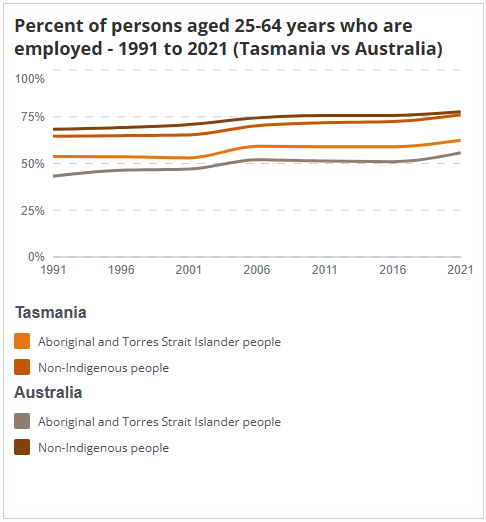
- Employment rates for Aboriginal people in Tasmania have improved but remain lower than those of non-Aboriginal Tasmanians. This persistent gap reflects broader national trends and includes disparities in both employment levels and types of occupations held.
Considering the impact of intersectionality checklist
These are suggested starting points to consider. You can use your selections in the gender impact assessment tool in step 3.