
The following 22 members of the Tasmanian Honour Roll of Women were inducted in 2017.
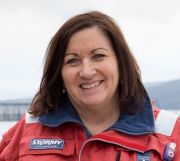
Frances Bender
Inducted in 2017 for services to:
- Business
- Industry
Frances Bender
Inducted in 2017 for services to:
- Business
- Industry
Born: 26 Mar 1961
A champion of the Huon
Frances Bender grew up in the Huon Valley and built a company with an international reputation that champions the Huon.
Originally cattle and sheep farmers, Frances and her husband Peter owned a butcher shop, started Tasmania’s first trellised apricot orchard and developed a successful contracting business. In 1986, within the family business structure, they began salmon farming before purchasing the family interest in 1994.
The Benders created the Huon Aquaculture brand and began their vertical integration program by establishing two recirculation hatcheries, acquiring leases in Macquarie Harbour, processing whole salmon and a range of smoked products, to enable distribution to national and international markets. They also commissioned the Parramatta Creek processing plant in the north of the State.
Huon Aquaculture is the largest family owned and operated salmon producer in Australia and employs nearly 600 people. The company’s operations span all aspects of the supply chain from hatcheries, marine farming, harvesting, processing, sales and marketing. It is represented in 27 municipalities across Tasmania and is listed on the Australian Stock Exchange.
In 2001, Frances was voted Tasmanian Rural Industries Research and Development Corporation (RIRDC) Rural Woman of the Year and was awarded the Centenary Medal for service to agribusiness and the community.
In 2013, Huon Aquaculture became the first ever aquaculture company to be named the Australian Biosecurity (animal) Farmer of the Year. Other awards include Primary Producer Award 8th National Seafood Industry Awards 2016, Australian Defence Force Supportive Employer Awards 2014, and in 2013 won a Work Safety Award for the best solution to an identified workplace health and safety issue.
Frances has a passion for regional communities. She implemented the Huon Helping Hands Grants Program. She is involved in many varied community partnerships including the D’Entrecasteaux Channel and Huon Collaboration, which takes action to monitor, promote and care for the cool clear waters of the D’Entrecasteaux and Huon estuaries.
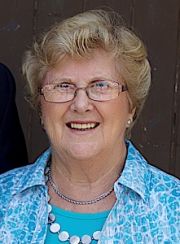
Margaret Josephine Bird
Inducted in 2017 for services to:
- Community, advocacy and inclusion
Margaret Josephine Bird
Inducted in 2017 for services to:
- Community, advocacy and inclusion
Born: 15 Dec 1936
(New Norfolk, Tasmania)
Making communities more age friendly
When Margaret Bird retired from a distinguished 38 year teaching career, it was said her “energies were not limited by the fence of her school”. As a teacher, school principal, mother and homemaker, Margaret always dedicated significant time to the community.
Margaret joined Zonta International in 1986 and held many positions including Area Director, Vice-Area Director and Volunteer Chairman and Coordinator of 300 volunteers at the Melbourne International Convention in 2006. Margaret was Coordinator of the Breast Cushion Project for 15 years with over 1,000 cushions made and distributed, the Birthing Kit Coordinator, and Chairman of Cheryl’s Angels Project (a support program for Rokeby High School students with issues relating to others at school, home and in the community).
Since ‘retirement’, Margaret has been actively involved in making communities more age friendly. Margaret was the Chair of the Tasmanian Council on the Ageing (COTA) Board for six years and chaired the Policy Councils for COTA Tasmania, and COTA Australia for three years.
Margaret was COTA’s representative on the national RedUse Project, which promoted awareness of the significant risks and limited benefits associated with the use of antipsychotic and benzodiazepine medication for older frail people, and encouraged the use of non-drug strategies to manage behavioural issues and psychological symptoms.
Since 2012, Margaret has represented COTA on the Telstra Low Income Measures Assessment Committee to ensure programs for vulnerable customers meet community needs.
Margaret has also played an important role making communities more age friendly at the local level by serving on the Clarence City Council’s Positive Ageing Committee since its inception in 2007. Clarence became the first Tasmanian Council recognised by the World Health Organisation (WHO) Age Friendly Cities and Community Network in 2014.
Margaret was president, secretary and newsletter editor of both the Probus Club of Lauderdale and Wellbeing Club 13, which promote physical activity and mental wellbeing, recreational, social and cultural activities for older people.
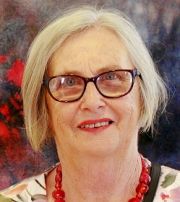
Cynthia Brock
Inducted in 2017 for services to:
- Education and training
Cynthia Brock
Inducted in 2017 for services to:
- Education and training
Born: 18 Jan 1943
(Hobart, Tasmania)
A 'rock', matriarch and principal
When Cynthia Brock was 16 her mother died suddenly, leaving behind a devastated family of seven children, including three girls under the age of six. Cynthia finished school and cared for her younger siblings until they were old enough for boarding school four years later.
While training to be a teacher and in her early career, Cynthia’s father was diagnosed with a brain tumour, which affected his speech and reason. Cynthia’s father lived with her and husband, John, until it became too great a risk for her father to be at home and he was admitted to the Royal Derwent Hospital.
At age 24, Cynthia had responsibility for her sisters aged 14, 12 and 10 who lived with Cynthia and John and their two children. This she never regarded as a burden. To her sisters, Cynthia was their ‘rock’ and family matriarch.
When Cynthia’s son was 18 he suffered horrific injuries in a car crash. Doctors suggested he might never walk again and would need lifelong care. It was with enormous faith, dedication and determination that Cynthia worked with her son, the family and health professionals to ensure his ability to live an independent and fulfilling life.
Cynthia built an impressive teaching career from 1970 until 2012 and became one of the first female lay principals in the Catholic School System, as the principal of Sacred Heart Primary School in Launceston (which was also called Marian College for some time). Cynthia became principal at a time when female principals were rare and Catholic schools were the domain of nuns, brothers or men.
It was during this time that Cynthia faced more challenges as the school transitioned from an all girls’ school to co-ed.
Cynthia introduced Aboriginal cultural education into the school, which was acknowledged by Aboriginal Elders and she was gifted an Aboriginal shell necklace by Aboriginal Elder, Gloria Templar.
Eventually Cynthia realised a teenage dream and studied a summer school course at Cambridge University in the United Kingdom.
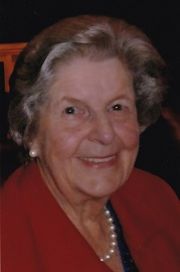
Hazel (Elaine) Bushby
Inducted in 2017 for services to:
- Community, advocacy and inclusion
Hazel (Elaine) Bushby
Inducted in 2017 for services to:
- Community, advocacy and inclusion
Born: 15 Nov 1934
(Hobart, Tasmania)
Passed: 19 Oct 2019
(Launceston, Tasmania)
Happier working behind the scenes
Hazel “Elaine” Bushby has served many organisations as a volunteer for lengthy periods playing a key part in raising awareness of issues concerning women.
Elaine was adopted at age four-and-a-half years by a widow.
After attending Hobart High School, Elaine was a trainee tracer with the Hydro Electric Commission before undertaking general nurse training in 1953-1954. When Elaine married Max Bushby in November 1954, she was unable to complete her nursing training as women had to resign upon marriage.
Max was elected to the Tasmanian House of Assembly in 1961. Elaine was a very supportive wife while Max served as a parliamentarian until 1986. She raised five children and participated in mother’s help, mothers’ clubs and tuck shops at Punchbowl Primary School and Scotch Oakburn College. Elaine also taught at the Newstead Baptist Sunday School. As the children became older, Elaine also worked part-time for the Roy Morgan Research Centre.
Together, Elaine and Max Bushby were involved in many community organisations, including the Missionary Training College Advisory Council and Bible Society. They represented Australia at the United Bible Societies special meeting in Russia in 1992, and attended the first Easter services to be held in the Kremlin for 70 years.
Elaine’s considerable volunteer service included State Secretary of the Tasmanian Christian Endeavour Union, member of the Royal Commonwealth Society, Secretary of the Royal Commonwealth Society Ladies Auxiliary for 13 years, long-term supporter of Overseas Missions, Elder at the Newstead Baptist Church, correspondent for the Baptist quarterly newsletter Advance for 12 years, Board Member of Launceston City Mission for 15 years, Associate Member of the Order of the British Empire (OBE) (Tasmanian Association), and leadership positions within the National Council of Women, Launceston.
In 2001, Elaine Bushby was awarded the Centenary Award for contributing to the care of people and improving the role of women.
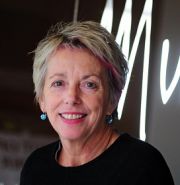
Imelda (Mel) Cameron
Inducted in 2017 for services to:
- Business
- Industry
- Tourism
Imelda (Mel) Cameron
Inducted in 2017 for services to:
- Business
- Industry
- Tourism
Born: 14 Dec 1955
(Rosebery, Tasmania)
Passed: 10 Jul 2015
(Launceston, Tasmania)
Game changer
Imelda Cameron, known as Mel, became known as a ‘game changer’ in Tasmania’s hospitality industry.
Running an Ulverstone boutique gave Mel an appreciation of customer service, which she applied more broadly to the hospitality industry.
Mel and husband Don were visionary restaurateurs who arrived in St Helens with a trailer containing pots, utensils and enough funds to buy ingredients for the first Saturday lunch service.
Good customer service and a belief that good restaurants with high standards should also be found in regional communities, were the winning ingredients for their restaurant, Tidal Waters. The restaurant soon came to the attention of the Australian Gourmet Traveller and received exceptional reviews both nationally and internationally. Tidal Waters topped Tasmania in the dining category in Mietta’s Eating and Drinking in Australia in 2000. The restaurant became a destination in itself.
Mel was front of house at Tidal Waters and she believed running a good restaurant was simple: serve good food with a smile. Mel had a talent for remembering her guests’ names time after time and making first time diners feel like regular customers. Mel could also describe to guests what Don was creating in the kitchen: Asian-influenced fusion, which was ahead of its time.
From 1999-2010, Mel and Don ran a high profile Launceston restaurant, Stillwater. Mel and Don also operated Blackcow and Mudbar at Seaport.
Training staff to the highest level of customer service is how Mel continues to make her influence. This ensured her staff would always be confident of finding work.
Whenever children with special needs from the Mersey Heights School, Devonport, came to Launceston with the Glee Club, Mel would ensure they had special treats for lunch.
Mel was also an animal lover and supporter of Animals Australia.
Imelda ‘Mel’ Cameron died in 2015 after a 15 month battle with cancer.
Photo courtesy of The Examiner
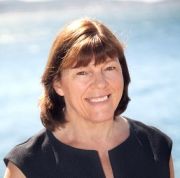
Lesley Ann Clementson
Inducted in 2017 for services to:
- Medicine
- Science, technology, mathematics and research
Lesley Ann Clementson
Inducted in 2017 for services to:
- Medicine
- Science, technology, mathematics and research
Born: 26 Mar 1955
(Melbourne, Victoria)
World class
Ms Lesley Clementson is a Research Group Leader from CSIRO Oceans and Atmosphere based at the Marine Laboratories in Hobart. Lesley has made a significant contribution to marine science in Australia for over 30 years.
Lesley is globally recognised as an expert in marine bio-optics and ocean colour validation, which is pivotal to the success of satellite remote sensing of ocean colour research in Australia. It extends to the success of projects in areas such as biological oceanography, coastal water quality management, and biofuels from micro-algae and fisheries management.
CSIRO is acknowledged worldwide as the leading agency in Australia for in situ bio-optical measurements. Lesley established the Bio-optical Analytical Facility at CSIRO, Hobart where samples from anywhere in the world are analysed.
Lesley’s leading role in Australian Satellite Remote Sensing and ocean colour research is based on her high quality data for in situ bio-optical parameters, producing consistently strong datasets that have underpinned the development of regional algorithms for coastal and estuarine waters. Regions include the Great Barrier Reef and Tasmanian coastal areas where this work is essential for projects and organisations adopting earth observation techniques for water quality and coral reef monitoring rather than the more traditional collection of in situ samples.
On five occasions Lesley has been invited to participate in NASA sponsored experiments known as SeaHARRE. Lesley’s carefully implemented methods for pigment analysis are the only validated methods in Australia; an assurance of quality results. This recognition resulted in Lesley being invited to host the fifth SeaHARRE experiment in 2009 and to also host a workshop of 20 scientists from international laboratories at CSIRO, Hobart in 2010.
Lesley has worked nationally and internationally leading technical outcomes for major ecological projects, such as the Aquafin Cooperative Research Centre, researching the role of UV absorbing compounds in the Southern Ocean and working nationally on the Moreton Bay Flood Event, Queensland.
Lesley was gifted the Australian Marine Science Association (AMSA) National Technical Award in 2016. The AMSA Technical Award recognises outstanding achievements in the field of technical support to marine science in Australia. This prize highlights the valuable contribution to marine science made by those who provide the technical and logistical support services which make much research possible.

Female Convicts Research Centre
Inducted in 2017 for services to:
- Community, advocacy and inclusion
- Education and training
- Human rights, justice and corrections
- Tourism
Female Convicts Research Centre
Inducted in 2017 for services to:
- Community, advocacy and inclusion
- Education and training
- Human rights, justice and corrections
- Tourism
Telling the stories of long forgotten women
The Female Convicts Research Centre (FCRC) has rescued the quiet, the survivors, the childless, the well-behaved and the ordinary from historical oblivion.
Since 2004, a small group of volunteers in Tasmania has coordinated a much larger cohort of local, interstate and overseas volunteers to systematically trace and study Tasmania’s female convict pioneers. This not-for-profit organisation was the first community research group in Australia to see that a whole-of-population approach would yield new knowledge.
The volunteer genealogists have recorded the details of over 12,500 women into an online database, hosted events to celebrate and explore the lives of convict women, researched convict institutions and researched, written and published stories and books through Convict Women’s Press.
The Female Convicts in Van Diemen’s Land database contains the records of every female convict transported to Tasmania, covering their lives before, during and after transportation. Volunteers have transcribed information from original records from Australia, Britain and Ireland, including official archives, family records and newspapers. A worldwide membership of over 5,000 volunteer transcribers, academics, researchers, authors and family historians indicates the growing interest in these forgotten women, many of whom were the founding mothers of the Tasmanian community.
By building links with family and local historians in Britain and Ireland, the FCRC has enriched local convict archives with historical data outside the penal and judicial record systems.
The FCRC’s goal is to turn state records into personal biographies, giving each woman a record that brings together as much information as possible about her life before transportation, during her sentence and after she was free.
The online database is a living archive that is readily accessible and a significant resource for family historians and academic researchers.
Volunteers work from home but connect with people all around the world through a common project where they learn to read, understand and transcribe colonial documents and genealogical material, and develop skills in historical research, computing, database coding and entry.
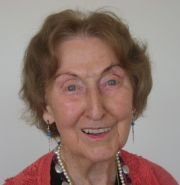
Dr Karla (Berres Karlene) Fenton OAM
Inducted in 2017 for services to:
- Medicine
- Science, technology, mathematics and research
Dr Karla (Berres Karlene) Fenton OAM
Inducted in 2017 for services to:
- Medicine
- Science, technology, mathematics and research
Born: 6 Feb 1926
(New Norfolk, Tasmania)
Enabled patients to access services
Dr Karla Fenton completed 61 years in medical practice before retiring in June 2016.
Dr Fenton joined the Tasmanian Psychiatric Service in 1969 and worked in adult psychiatry, the Combined Children’s Centre, Youth Counselling and was Superintendent of the Alcohol and Drug Treatment Centres at the John Edis, Royal Hobart and Royal Derwent Hospitals. She also worked at Clare House in Child and Adolescent Psychiatry, was Acting Regional Psychiatrist on the North West Coast and was a Forensic Examiner for the Sexual Assault Medical Services.
A concern for the effects of drugs and alcohol on young people and veterans saw Dr Fenton instigate and coordinate the Maturity and Youth (M-Y) program for drug affected families in the 1990s. Whilst in private practice, her patients were bulk billed, which enabled many who might have otherwise found it unaffordable, access her medical services.
She is an Official Fellow at the University of Tasmania’s Jane Franklin Hall, and provides a scholarship in perpetuity for a college resident to study abroad on the understanding they return to Jane Franklin College the following year.
Dr Fenton also provides an Education Fund for the Alzheimers, Dementia and Related Disorders Society (ADARDS) Nursing Home. A foundation was set up in 1996 in perpetuity to supply money for a staff member to obtain further education in their discipline.
Dr Fenton received the Medal of the Order of Australia in 2005 for service to medicine as a practitioner, educator and counsellor in the areas of drug and alcohol abuse, sexual trauma and mental health.
The Anzac of the Year Award 2005 (Tasmania) and the Senior Australian of the Year (Tasmania) in 2004 were awarded to Dr Fenton and she continues as a Patron of Soroptimists International Hobart and a Convenor for Assisted Dying Group.
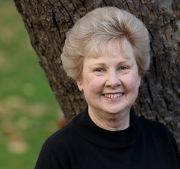
Deirdre Flint OAM
Inducted in 2017 for services to:
- Government (Public services and politics)
Deirdre Flint OAM
Inducted in 2017 for services to:
- Government (Public services and politics)
Born: 20 Jan 1945
(South Australia)
Passed: 31 Jan 2017
Unflinching support for local causes
Deirdre Flint was elected to the Central Highlands Council in 1996 and was Mayor from 2002 until resigning due to ill-health in 2016.
Deirdre paved the way for other women to be leaders in their local communities by selflessly volunteering her support and attending many community events and commemorations over the years. She involved herself in all three levels of government in a variety of ways and was a strong supporter of regional councils.
Her most prominent role was during her time as Mayor. Deirdre was at the forefront of a joint effort between the Brighton, Derwent Valley, Southern Midlands and Central Highlands Council to instigate greater cooperation and promotion of the broader region.
In 2010, Deirdre was awarded an Order of Australia Medal for services to the community of the Central Highlands and in 2016 was the recipient of the Outstanding Commitment and Service to Local Government Award from the Local Government Association of Tasmania (LGAT). Mayor Flint was a long serving member of LGAT’s General Management Committee, including vice-president from 2010-2012.
Some of Deirdre’s achievements in council included independent living units built for aged residents, the establishment of permanent medical services in Bothwell and Ouse and the sealing of roads between the Poatina Highway and Miena. Persistent pressure from the Council resulted in ABC Radio emergency alerts becoming available to isolated rural communities, through a commitment from the Tasmanian Bushfire Appeals Distribution Committee.
Deirdre was active in her community and played leading roles in various organisations including the Hamilton Agricultural Show, Country Women’s Association, Southern Lyons Women’s Group, Tasmanian Women’s Committee, Federal Women’s Committee, Red Cross, Launceston Chamber of Commerce and the Premier’s Local Government Council.
Also a member of the Liberal Party, Deirdre served at both the state and federal level with great distinction, including as Federal Women’s Council President from 1999 – 2004.
Deirdre was an outstanding role model for Tasmanian women throughout her career.
Photo courtesy The Mercury
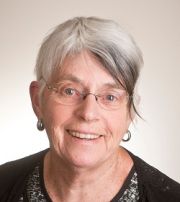
Alywn Joan Friedersdorff
Inducted in 2017 for services to:
- Community, advocacy and inclusion
- Education and training
- Government (Public services and politics)
Alywn Joan Friedersdorff
Inducted in 2017 for services to:
- Community, advocacy and inclusion
- Education and training
- Government (Public services and politics)
Born: 9 Nov 1941
(Tapanui, New Zealand)
Infectious enthusiasm
Alwyn Friedersdorff has a ‘can do’ attitude and embraces every opportunity to use and grow her skills to contribute the wellbeing of the Tasmanian community.
Alwyn has been a lifelong learner who originally trained as a primary school teacher. She has a Graduate Certificate in Housing Management and Policy from Swinburne University and a Graduate Certificate in Business from the University of Tasmania.
Creating independent living homes for people with a disability, encouraging women to stand for Council, promoting social inclusion, older people, regional communities, the arts and lifelong learning are just some areas of Alwyn’s significant contributions to the Tasmanian community.
As a Social Trainer with the St Vincent de Paul Society in Wynyard, Alwyn worked with the community to set up and deliver support services to allow people with disability to live independently in a home designed around their needs. The successful implementation of one of the first unique housing options in Tasmania resulted in Alwyn successfully obtaining funding to build and manage a total of fourteen independent living units.
Alwyn was elected to the Waratah-Wynyard Council in 2002 and served as Deputy Mayor from 2011–2014. As an elected member, Alwyn supported local initiatives such as the Men’s Shed, the University of the Third Age and a community art space ArtsCape, and reinvigorated established groups like the Senior Citizens' Club.
Alwyn represents Tasmania on the National Board of the Australian Local Government Women’s Association and was instrumental in the Tasmanian WomenCan campaign, which saw a record number of women elected in the 2014 municipal elections.
Alwyn is currently the President of the National Rural Women’s Coalition, which aims to engage, empower and address issues faced by more than 250,000 women and their communities in rural, regional and remote Australia.
Alwyn is a member and past President of the Council of the Ageing (COTA) Tasmania.
In 2001, Alwyn was awarded the Wynyard Australia Day Citizen of the Year Award and the Centenary Medal.

Larissa (Lara) Tahireh Giddings
Inducted in 2017 for services to:
- Government (Public services and politics)
Larissa (Lara) Tahireh Giddings
Inducted in 2017 for services to:
- Government (Public services and politics)
Born: 14 Nov 1972
(Goroka, Papua New Guinea)
Lara Giddings undertook her primary education in Goroka, Papua New Guinea, before having to leave for boarding school at the Methodist Ladies College in Melbourne for her secondary years.
At the end of 1990, she moved to Tasmania where upon she completed her Arts/Law degree at the University of Tasmania. It was at this time she joined the Australian Labor Party beginning a life in politics, which culminated in her becoming Tasmania’s first female and 44th Premier, a position she held from January 2011 to March 2014.
Initially elected to the Tasmanian Parliament in 1996, at the age of 23, Lara was the youngest woman ever elected to an Australian Parliament. After losing her House of Assembly seat of Lyons in 1998, she was re-elected to the seat of Franklin in 2002. In March 2004, she was elevated to the front bench as Minister for Economic Development and The Arts. Subsequently, Lara enjoyed great success in a number of ministerial positions including Minister for Health and Human Services, Attorney General and Minister for Justice, Minister for Infrastructure and Economic Development, Deputy Premier and Treasurer. In these roles she drove reform in health, disabilities, children’s services, housing and the law (social and governance). She also initiated the State’s first comprehensive Economic Development Plan.
During her period as Premier and Treasurer, Tasmania faced difficult economic and financial conditions that required strong decisions from the government. With plans in action to diversify the State’s economy, Lara led the way in focussing the Tasmanian business sector and economy towards the opportunities that lay in the Asian Century, particularly in China and Indonesia.
In addition to her work, Lara is a founding member of Emily’s List, a national organisation that provides financial and mentoring support to progressive Labor women candidates. She is also a founding member of the International Women’s Forum in Australia.
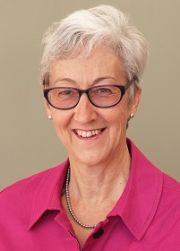
Elizabeth Mary Gillam
Inducted in 2017 for services to:
- Government (Public services and politics)
Elizabeth Mary Gillam
Inducted in 2017 for services to:
- Government (Public services and politics)
Born: 24 Jun 1952
(Eshowe, South Africa)
Deeply committed to fairness, justice and public policy
Liz Gillam is a quiet achiever, an early pioneer on women’s policy in Tasmania and a strong contributor on social justice issues.
Liz was educated at St Michael’s Collegiate in Hobart where she was Head Prefect, and studied Law at the University of Tasmania in 1970-1973. Liz later donated funds and time to the Collegiate community as Board Member, Chair of the Board, Foundation Trustee and Co-President of the Collegiate Old Girls’ Association.
Liz served the State of Tasmania for over 40 years, primarily through her work with State and Local Government. Her roles included Deputy Director of the Office of Status of Women, Deputy Director of Local Government Division, Private Secretary and Senior Private Secretary to Government Ministers and Policy Manager at the Local Government Association of Tasmania.
This period covered significant policy development work relating to the status of women and major reforms in Local Government, including the reduction of the number of councils from 46 to 29, and comprehensive changes to the Local Government Act.
Liz was an inaugural member of the Tasmanian Electoral Commission and recently completed a seven-year term as Chair.
Liz was appointed an inaugural, and the only female, member of the Integrity Commission and continues to work to improve the conduct, propriety and ethics in public authorities.
Liz’s interest in Local Government continues as a member of the Local Government Board.
As a Director of the Public Trustee, Liz works with the Board to provide quality, independent trustee services to the Tasmanian community and ensure that the business and affairs of the Public Trustee are conducted in accordance with sound commercial practice and statutory obligations.
In 2015, Liz became a member of the Board of the Hobart Women’s Shelter, which provides accommodation and other services for homeless women and children, and those escaping family violence.
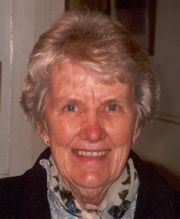
Edna (Joan) Grant
Inducted in 2017 for services to:
- Community, advocacy and inclusion
- Education and training
Edna (Joan) Grant
Inducted in 2017 for services to:
- Community, advocacy and inclusion
- Education and training
Born: 9 Jul 1932
(Hobart, Tasmania)
Passed: 24 Sep 2005
(Launceston, Tasmania)
A selfless volunteer who treasured great memories
Teacher and volunteer, Edna ‘Joan’ Grant had a saying “Don’t regret what you haven’t seen – simply treasure and marvel at the memories you have”.
Born Edna Joan Bannister, Joan built a life of great memories through family, community, volunteering, treaching, travel and adventures.
Joan, who was raised at Osterley, moved to Launceston in 1951, trained as a teacher and married Wallace Grant in 1954. They had six children.
In 1977, Joan completed a Graduate Diploma of Special Education, later securing a full-time position at Queechy High School Launceston where she was later appointed Senior Master, Special Education.
As well as teaching, Joan served as a volunteer giving many decades of service. Joan’s volunteer activities included Leader of the Red Cross Youth and member of St John Ambulance for over 15 years. Joan was a long service member of the 8th Launceston Girl Guide Parent Association from 1968 and the 4th Launceston Scout Group from 1966. In recognition of her outstanding service to scouting Joan was awarded the Silver Wattle in 2001.
Joan participated in many volunteer roles at several Anglican Churches including St James, Franklin Village and St Mark on the Hill. When the Anglican Diocese of Tasmania threatened to close St James Church in 1997, Joan instigated a campaign against the deconsecrating of the church with an 1844 foundation stone. The decision to close the church was overturned in 1999.
Following her ‘retirement’ in 1995, Joan joined Volunteers for Isolated Students Education (VISE) and taught children on outback stations in Queensland and the Northern Territory during her more than ten forays into her much loved outback. These were great adventures for a woman in her 70s, with experiences such as mustering cattle in helicopters and riding for 13-hours in a cattle truck to Cape York.
Joan was a Senior Australian of the Year (Tasmania) finalist in 2002 and was posthumously awarded Launceston City Council’s Outstanding Achievement Award for Community, Health and Education in 2006.
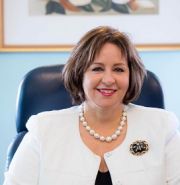
Susanne (Sue) Lynnette Hickey
Inducted in 2017 for services to:
- Business
- Government (Public services and politics)
- Industry
Susanne (Sue) Lynnette Hickey
Inducted in 2017 for services to:
- Business
- Government (Public services and politics)
- Industry
Born: 25 Jul 1958
(Hobart, Tasmania)
From Miss Tasmania to Lord Mayor of Hobart
Fundraising for cerebral palsy was to have a lasting influence on Sue Hickey who became Miss Tasmania 1979 and continues to be passionate about making a difference for the community and State.
Determination, dedication, being businesslike and multitasking have defined Sue’s approach to business, Local Government and serving community organisations for over 35 years.
During the 1991 recession, Sue started the business Slick Promotions. In 2007, she won the Telstra Tasmania Businesswoman of the Year.
An ability to work on multiple projects saw Sue successfully balance the management of Slick Promotions, family life and completing a Masters of Business Administration (MBA) at the University of Tasmania. The University awarded Sue membership to the Golden Key International Honour Society for being in the top 15% for her studies in 2011.
Sue was the second woman to hold the position of President of the Rotary Club of Hobart and was awarded the Paul Harris Fellowship (Rotary). As President, Sue focused on increasing female membership, improving management systems and supporting initiatives including Common Ground, Bravehearts, SecondBite, Windeward Bound, Sailability, Barrington Lodge and the Queensland floods.
Inspiration for one Rotary project arose after Sue met a homeless man who had been bashed and was in the gutter. Although the man assured Sue he would be all right, it was the trigger for a Rotary project to organise Christmas vouchers for the Salvation Army and St Vincent de Paul to distribute to beneficiaries. Sue has since gained further insight into the plight of the homeless by ‘Sleeping Out’ with the Salvos for six years.
In 2014, Sue was elected Lord Mayor of Hobart, making her the second woman to hold the position. Good governance, professional conduct, setting priorities and taking action define her contribution to Hobart. She has championed toilet projects and new rubbish bins, promoted Hobart and the Southern Tasmanian region both locally and internationally.
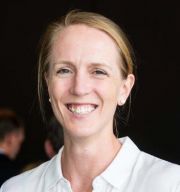
Kerry Hore
Inducted in 2017 for services to:
- Sport and recreation
Kerry Hore
Inducted in 2017 for services to:
- Sport and recreation
Born: 3 Jul 1980
(Hobart, Tasmania)
Rowed at four Olympics
Kerry Hore became the first female rower to compete at four Olympic Games when she was selected for the Australian team to compete at the Rio Olympics in 2016 at the age of 35.
Kerry’s first Olympic Games were in Athens in 2004 where she was a crew member in the women’s quad scull that won the bronze medal. Kerry also represented Australia at the Beijing and London Olympics.
Kerry started rowing in 1997 while in Year 10 at Ogilvie High School. Kerry enrolled at The Friends’ School and then started rowing for the Huon Rowing Club where the lightweight four were training in preparation for the Sydney Olympics in 2000. Seeing two Tasmanians training for the Olympics was an inspiration.
Kerry consistently represented Tasmania at the interstate Regatta within the Australian Rowing Championships. From 2003 to 2015, she raced for Tasmania on four occasions in Queen Elizabeth Cup VIIIs and on eight occasions she sculled for the Nell Slatter Cup. Kerry rowed in both boats at the 2007 and 2008 championships.
In 2003, Kerry was on the World Cup podium for the first time by winning gold as a member of the women’s quad scull in Lucerne. The crew went on to win the 2003 World Championships in Italy. Kerry has since placed on the podium at World Championships three times, winning silver in 2007, 2010 and 2011.
During Kerry’s rowing career she trained with the Tasmanian Institute of Sport and continued to row at Huon.
Kerry graduated from the University of Tasmania with a Bachelor of Pharmacy and works as a pharmacist.
Kerry enjoys visiting schools and working in the canteen at Rowing Tasmania’s opening pennant regattas and making brownies for the competitors.
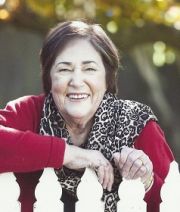
Patricia (Pat) Howard AM
Inducted in 2017 for services to:
- Human rights, justice and corrections
Patricia (Pat) Howard AM
Inducted in 2017 for services to:
- Human rights, justice and corrections
Born: 11 Dec 1939
(Launceston, Tasmania)
Every child deserves a family
Pat Howard pioneered intercountry adoption in Australia and paved the way for other Australians to realise their dream of parenthood.
Following complications after the birth of her son, Pat discovered she could not have any other biological children but was determined to make a positive difference to other children.
Pat, and her late husband Bert, adopted 16 children: three from within Australia and others from Vietnam, Thailand, Taiwan, Fiji, South Korea, Vanuatu, New Zealand and Mauritius. Several of the children suffered from serious deprivations resulting from institutionalisation in overseas orphanages. One Vietnamese child was a war orphan on the brink of death, another had fetal alcohol syndrome and no muscle control in his legs, stomach, hands and tongue. Pat nursed him to good health and taught him to speak and walk. All Pat’s children have grown into productive, contributing adults. Pat and Bert also sponsored an Indian boy until adulthood.
When Pat began her quest to adopt children from overseas orphanages, no formal procedures were in place. In the 1960s, Pat had to locate the children and orphanages, and with assistance from Australian nurses and American groups working with Vietnamese war orphans in Saigon, Pat identified children in need. At the time, intercountry adoptions were discouraged, and it took Pat seven years to arrange the first adoption from Korea.
Pat’s perseverance helped open channels for intercountry adoption. Initially, there were no provisions for adopted children to obtain Australian birth certificates stating their new family name. Pat was a member of the Senate Select Committee to improve the adoption process and make it more affordable.
During the Vietnam War, Pat started a group to raise awareness about the plight of war orphans. The group raised money for powdered milk, protein biscuits and other supplies for Saigon orphanages.
In 2013, Pat published her memoirs What colour is love?
In 1999, Pat was awarded the Member of the Order of Australia and was Barnardos Australia’s Mother of the Year 1996.
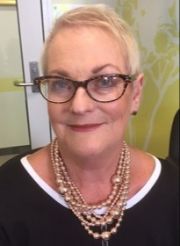
Karen Linegar
Inducted in 2017 for services to:
- Health
Karen Linegar
Inducted in 2017 for services to:
- Health
Born: 28 Mar 1951
(Tamworth, New South Wales)
It’s nursing that makes a difference
Karen Linegar was the first nurse and the second woman president of the Australian Council on Healthcare Standards (ACHS) and was an expert advisor to the International Society for Quality in Healthcare.
As a mother of two, Karen started general nursing training in Sydney as a mature age student, aged 26. When Karen moved to Launceston in 1978, some of her prior nursing training was not recognised, so she repeated a significant portion of the training. Karen excelled and was awarded the Launceston General Hospital’s (LGH) Gold Medal for Theory and Practice. In 1982, Karen achieved the LGH’s Gold Medal for Midwifery while working full-time and supporting her two teenage sons.
During the 1980s, Karen worked as a Senior Nurse in intensive care at the LGH, undertaking stints as the After Hours Nurse manager and the Charge Nurse, and completed an Intensive Care Unit Certificate.
Recognising that nurses would need tertiary qualifications, Karen completed a Bachelor of Applied Health Science at the Tasmanian Institute of Technology.
Karen relocated to North West Tasmania as the Assistant Director of Nursing at the Mersey Hospital in Latrobe. During this period, she completed a Master of Health Administration and a Bachelor of Business majoring in human resource management.
In 1994, Karen was appointed Director of Nursing at the North West Regional Hospital and completed a Graduate Diploma in Commercial Law, while maintaining a role as Honorary Clinical Teacher at the University of Tasmania, holding Board positions in the Royal College of Nursing Australia, and becoming a Surveyor and Council Member of the ACHS. In 2011, Karen became the President of ACHS.
Karen’s commitment to tertiary study and research resulted her appointment as an Adjunct Associate Professor with the University of Tasmania. Karen led the development of the Graduate Nurse Training Program, Clinical Nurse Educator Program, Nurse Management Leadership Program, and implemented an interdisciplinary teaching program. She is currently the Tasmanian Health Service’s Executive Director of Nursing, North West.
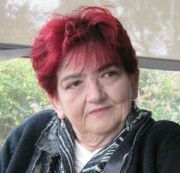
Dr Ljiljana Mujkic
Inducted in 2017 for services to:
- Community, advocacy and inclusion
- Human rights, justice and corrections
Dr Ljiljana Mujkic
Inducted in 2017 for services to:
- Community, advocacy and inclusion
- Human rights, justice and corrections
Born: 12 Nov 1950
(Mostar, Bosnia and Herzegovina)
Passed: 9 Nov 2014
(Launceston, Tasmania)
She simply lived for those she loved, and those she loved remember
Dr Ljiljana Mujkic was a shining example of a migrant who embraced the opportunity to start a new life.
Born in Mostar and educated in Sarajevo, Bosnia and Herzegovina, Ljiljana’s dedication and skills as a doctor were invaluable in the emergency ward during the war that ravaged the country.
In 1995, Ljiljana’s family resettled in Gladstone, Queensland where she was told she would not have a chance of practicing medicine in Australia, and should consider becoming a cook. Ljiljana did not heed the advice and studied at night to gain her Australian medical qualifications.
The Launceston General Hospital appointed Ljiljana as an emergency doctor in 1996. While working in the emergency department she studied and gained further qualifications as a General Practitioner. By 2002, Ljiljana had achieved the Australian qualifications of Bachelor of Medicine, Bachelor of Surgery, Doctor of Medicine and Fellow of the Royal Australian College of Practitioners.
Being a refugee, Ljiljana believed helping those most in need was a civic duty. Ljiljana volunteered for the Migrant Resource Centre in Launceston by helping newly-arrived humanitarian entrants resettle by meeting them at the airport, showing them their new home, assisting with purchasing key items, interpreting with government bodies and becoming a second family.
From 1998 to 2003, Ljiljana helped resettle families from Serbia, Bosnia and Herzegovina, and Croatia in the aftermath of the fall of Yugoslavia, by organising housing, school enrolments, Medicare and ongoing pastoral care, while still working full time at Launceston General Hospital, and raising her children.
Medicine was a vocation for Ljiljana who loved diagnosing, and ensured the patient understood their diagnosis. In General Practice, Ljiljana gave extra time, visited older patients in nursing homes on weekends and bulk billed, so patients could receive quality medical care. Worried her patients would be inconvenienced, Ljiljana accepted between 30 and 40 appointments per day during her own illness.
Dr Ljiljana Mujkic lived with kindness and made the world better, one person at a time.
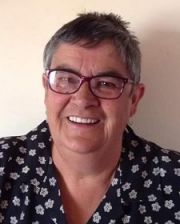
Verna Nichols
Inducted in 2017 for services to:
- Aboriginal or Torres Strait Islander affairs
- Arts and media
- Community, advocacy and inclusion
- Education and training
Verna Nichols
Inducted in 2017 for services to:
- Aboriginal or Torres Strait Islander affairs
- Arts and media
- Community, advocacy and inclusion
- Education and training
Born: 11 Aug 1947
(Flinders Island, Tasmania)
Pride and love for family and heritage
Aunty Verna Nichols actively supports Tasmanian Aboriginal people and advances reconciliation through art, education and cultural awareness training.
Aunty Verna worked as a mother craft nurse at the Tasmanian Aboriginal Children’s Centre from 1970 to1979, and helped establish the Karadi Aboriginal Corporation where she worked for two years supporting Tasmanian Aboriginal women.
Aunty Verna trained in design and screen printing, established Palawa Prints and trains others in Aboriginal cultural practices. Her artworks include traditional and contemporary fibre baskets, bull kelp water carriers and bowls and shell necklaces. Her pieces are held in collections at the National Museum of Australia, Tasmanian Museum and Art Gallery (TMAG) and Brest Maritime Heritage Centre in France. Aunty Verna was a finalist in the National Indigenous Heritage Art Award 1993 and Telstra National Aboriginal and Torres Strait Islander Art Award 2005.
The needwonee walk at Melaleuca includes Aunty Verna’s work. Aunty Verna and members of the Tasmanian Aboriginal community spent two weeks in Tasmania’s remote South West making and designing the installations for the interpretative walk for the Parks and Wildlife Service.
Art has helped Aunty Verna raise cultural awareness and break down barriers between Aboriginal and non-Aboriginal students and teachers. In 1998, she started painting murals in schools with teachers and students. In 2004, Aunty Verna developed and delivered an Aboriginal student program in 20 Catholic schools and colleges, sharing Aboriginal culture with Aboriginal students, and their friends, through mediums such as weaving, ballawinne (ochre), shells, kelp and storytelling. Aunty Verna also mentors Tasmanian Aboriginal community members to work as cultural tutors in schools.
A respected Aboriginal cultural advisor, Aunty Verna delivered a paper entitled The Aboriginal Recreation Program: connection with country, culture, family and community at the 5th International Adventure Therapy Conference in Scotland.
Aunty Verna has been a Board Member of the TMAG Aboriginal Advisory Board, Karadi Aboriginal Corporation, Palawa Aboriginal Corporation, Tasmanian Aboriginal Land and Sea Council, and is a member of Anglicare’s Aboriginal “yarnin up” Advisory Board.
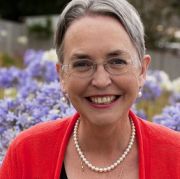
Dr Dianne Snowden
Inducted in 2017 for services to:
- Education and training
Dr Dianne Snowden
Inducted in 2017 for services to:
- Education and training
Born: 14 Jun 1957
(Cooma, New South Wales)
Understanding and protecting heritage for the future
Historian Dr Dianne Snowden has contributed to Tasmanian history and heritage through the protection and management of cultural heritage, and by ensuring significant records are preserved for future research.
Dianne started researching her family’s history when she was 15 by interviewing her grandmother. Interviewing family members is encouraged by Dianne who is a genealogical researcher and Unit Coordinator and Lecturer in Researching Family History at the University of Tasmania (UTAS) and a member of Tasmanian Library Advisory Board and the Female Convict Research Committee. She taught family history from 1980 at Adult Education and at UTAS from 2009 until 2016.
The early interest in genealogy turned into a career with Dianne majoring in history at the Australian National University and gaining a PhD from UTAS. In 1989, Dianne was the first Tasmanian to be granted a Diploma in Family Historical Studies from the Society of Australian Genealogists.
Dianne’s experience as a genealogical researcher has included researching and co-writing many works. Patchwork Prisoners, The Rajah Quilt and the women who made it, co-written by Dianne in 2013, was shortlisted for the Australian Historical Association Kay Daniels Award.
Women and children have been the focus of much of Dianne’s historical work. This is reflected in publications and her work with the Friends of the Orphan School, which has included recognising the genealogy of the orphans. Through research Dianne discovered she had a Tasmanian ancestor, a convict woman who arrived in 1845 with two children who were placed in the orphan school at New Town in Hobart.
Dianne was the first woman to be appointed Chair of the Tasmanian Heritage Council (2012-2014), a role she held for an interim period from October 2005 to February 2006.
Dianne has served as Chair of the Female Factory Historic Site and the Tasmanian Honour Roll of Women 2008-2009, and was a member of the National Trust Board and the National Archives of Australia Advisory Committee.
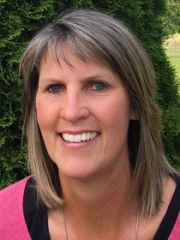
Deidre Triffitt
Inducted in 2017 for services to:
- Community, advocacy and inclusion
Deidre Triffitt
Inducted in 2017 for services to:
- Community, advocacy and inclusion
Born: 8 Nov 1960
(Melbourne, Victoria)
A tenacious supporter for the most vulnerable in our community
Without a mother’s love built on community support there would not be Giant Steps in Tasmania.
By fighting for the best interest of her son, Deidre Triffitt inspired a community and motivated a Government to enact change.
In 1986, when Deidre’s son Corom was 18-months old, he started experiencing epileptic seizures up to 15 times a day. A specialist in Sydney told Deidre that Corom would become physically and mentally worse, with no chance of improvement. It was recommended Corom be institutionalised. It was eventually confirmed that Corom was showing signs of autism.
Tasmania did not have specific services for children with autism at the time of Corom’s diagnosis. In 1991, Deidre called for the establishment of a support group of parents for children with autism, and later discovered the Canadian Institute of Neuro-Integrative Development’s Giant Steps program. She had found the support needed, but not without immense financial hardship and personal sacrifice. The four-year search cost $300,000 and involved Corom having treatment at the Canadian Giant Steps satellite school. Deidre and husband, Kim worked as cleaners for 12 months to help pay for Corom’s tuition.
The holistic, multidisciplinary and intensive Giant Steps program was what Deidre dreamed of for Tasmania. Giant Steps founder, Darlene Berringer was drawn to Corom and his parents’ dedication, and visited Tasmania several times to assess the prospects for a school, raise awareness of the needs of children with autism and gain political and community support.
Deidre formed the Giant Steps Steering Committee and lobbied for a Giant Steps school. In 1994, the State Government committed $225,000 to support the establishment of the school.
Giant Steps Tasmania commenced operation as a non-government school for children with autism spectrum disorders in 1995.
In 1996, Deidre received an Advance Australia Award in recognition of her outstanding contribution to the community.
Corom is a happy young adult with carers and family who support and watch over him at his independent unit on the family property in Deloraine.
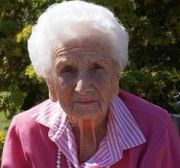
Kathleen (Betty) White
Inducted in 2017 for services to:
- Community, advocacy and inclusion
Kathleen (Betty) White
Inducted in 2017 for services to:
- Community, advocacy and inclusion
Born: 27 Jul 1917
(Hobart, Tasmania)
Passed: 10 Dec 2017
Philanthropic community supporter
No matter where Betty White lived she endeavoured to make a difference to her community, both professionally and personally.
Betty was a multiple Certificate nurse. She trained in Melbourne and worked in the UK and at the Royal Melbourne and Royal Hobart Hospitals.
In the late 1950s, following her marriage and birth of her first child, Betty moved to Oatlands, where she saw the need for a pre-school. She negotiated with the Education Department for land and door-knocked the town looking for volunteer labour to build one.
From 1965 Betty was the school health sister for the Bothwell, Green Ponds and Oatlands Municipalities, a position she extended to include a community welfare role. Betty was also Patron of the Kempton Primary School for over 20 years, donating encouragement prizes each year.
During the 1970’s and 80’s, Betty was Secretary for the Kempton Gymkhana, fundraising to purchase land for the community. She also supported the Bothwell District Riding Club for a similar time period.
When Betty’s husband Errol developed dementia in the early 1980’s, she became involved with the establishment of the Alzheimers, Dementia and Related Disorders Society (ADARDS), holding the position of Secretary and fundraising for the building of their facility at Flagstaff Gully.
While nursing her husband at home, Betty became aware of others in a similar situation, struggling to care for the elderly at home. Betty, with the assistance of the Red Cross and St John Ambulance, developed and ran courses for home carers.
In the 1990’s Betty provided a property to house the Oatlands Visitor Information Centre, the Community Radio Station and a café to provide training opportunities for young people.
She also lobbied to ensure the continuation of Anzac Day services at Kempton and donated the funds to refurbish the Kempton War Memorial.
Betty White was awarded 2001 Senior Citizen of the Year for the Southern Midlands Municipality as well as the Commonwealth Centenary Medal in 2004.