
The following 29 members of the Tasmanian Honour Roll of Women were inducted in 2013.
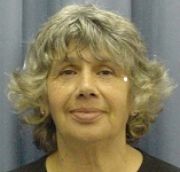
Gloria Andrews
Inducted in 2013 for services to:
- Aboriginal or Torres Strait Islander affairs
Gloria Andrews
Inducted in 2013 for services to:
- Aboriginal or Torres Strait Islander affairs
Born: 1947
A role model and mentor
Respected Tasmanian Aboriginal Elder Gloria Andrews was born in 1947 and has been actively engaged within her community and is a role model and mentor for her extended family and community.
Gloria's vision is to share her knowledge about her culture and promote positive aspects about her people, their history and culture; especially her knowledge about bush foods, medicine and the environment.
Gloria is an advocate of cultural education. She assisted the St Helens District High School create a bush tucker garden to facilitate learning about and sharing native Tasmanian food.
Historical research is also important to Gloria who found an interest in all history when she worked in the St Helens History Room.
Gloria was also a member of the Project Council of Elders with the University of Tasmania's field study project, Telling Places in Country. This project aimed to retrace and re-map George Augustus Robinson's progress through Aboriginal country while on forays to make contact with North East clans. It raised awareness of the significance of Tasmania as an Aboriginal place and landscape.
The success of Telling Places in Country relied heavily on the participation and guidance of the Elders who had long and strong connections with a range of Aboriginal community organisations and government bodies. Their role as knowledge custodians and cultural mentors was important in facilitating the telling of Aboriginal stories about themselves, their ancestors and their history.
Gloria is passionately involved in the Blue Tier preservation of Tasmanian Aboriginal heritage; and the environment, heritage and history in Tasmania's North East.
The Blue Tier is a very special place for me and the reasons for my protest is that the environment is being destroyed, which in turn is destroying my cultural heritage. As a Tasmanian Aboriginal person, I have a very strong connection to the land…
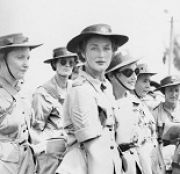
Australian Women's Army Service (Tasmanian Division)
Inducted in 2013 for services to:
- Defence
Australian Women's Army Service (Tasmanian Division)
Inducted in 2013 for services to:
- Defence
Founded: 1941
(demobilised 1947)
Tasmania was the first home for the Australian Women's Army Service
The Australian Women's Army Service (AWAS) was formed in 1941 to enable men to be released from certain military duties in Australia so they could be employed in fighting units overseas.
The first AWAS Training School commenced at Fahan School, Sandy Bay, on 12 January 1942, and was the first training school for women military personnel in the Commonwealth. Rookies also trained at: Elwick Race Course; "Alverstoke", in New Town; and St Michael's Collegiate, Hobart.
It soon became apparent a permanent camp was needed. Garrison troops vacated a Broadmarsh camp for the AWAS who were transported from Hobart on an army lorry. On arrival at Broadmarsh the women received their uniforms along with their tin utensils, palliases (mattresses they had to fill with straw) and a blanket. Gradually beds arrived and china replaced the tin utensils. In April 1943, the camp was moved to the main military camp at Brighton.
By the end of 1943, 500 women in Tasmania had enlisted in the AWAS. By the end of the war, there were over 24 000 women enlisted in the AWAS throughout Australia undertaking non-combatant roles such as clerks, cooks, anti-aircraft gunners, search light operators, ambulance drivers and signals operators.
In 1944, a few Voluntary Aid Detachments (VAD) were selected to join the Royal Australian Nursing Corp (RANC) in the Middle East. On returning to Australia, they were transferred to the Australian Army Medical Women's Service (AAMWS). In October 1944, Cabinet approved the posting of a maximum of 500 AWAS to New Guinea, 25 Tasmanians were chosen to go. Two Tasmanian AWAS members were subsequently Mentioned in Dispatches: Major Margaret Spencer and Sergeant Gwen Turmine.
After the war, the AWAS raised money for various charities. On 30 June 1947, AWAS and AAMWS were demobilised. In 1956, an Ex-AWAS and AAMWS Association was formed in Tasmania. The final meeting of this Association was 6 October 2001.
The Hobart ex-AWAS association was disbanded in 2005.
Photo Credit: Australian Women's Army Service, 1945, AWM091457
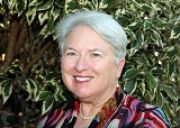
Kathryn Barnsley
Inducted in 2013 for services to:
- Health
Kathryn Barnsley
Inducted in 2013 for services to:
- Health
Born: 26 Dec 1949
(South Australia)
"…tobacco companies were killing off their traditional customers − men − so they needed to replace them with women." - Kathryn Barnsley, "Warrior in tobacco battle", The Examiner, 8 December 1999, page 21
Tobacco reform and advancing the health and wellbeing of the Tasmanian community earned Kathryn Barnsley an international reputation.
Public health is not glamorous but it has been rewarding, according to Kathryn.
In 1996, Kathryn, as an officer with the Department of Health's Public and Environmental Health Division, was responsible for the development of Tasmania's Public Health Act 1997, which included world-leading tobacco control provisions prohibiting the tobacco industry from making misleading statements about tobacco legislation or the health effects of tobacco; the development of restrictions on the display of tobacco products and point-of-sale advertising; and smoke free areas legislation in public places, workplaces and restaurants.
Tasmania's tobacco reforms resulted in Kathryn being consulted by other countries. The World Health Organisation (WHO) invited Kathryn to address conferences in the Philippines and Japan and to make presentations about the Tasmanian reforms to representatives from other countries. Some of the Tasmanian reforms were included in the WHO International Framework Convention on Tobacco Control.
Kathryn was appointed a member of the National Expert Advisory Committee on Tobacco (1999-2001), was a volunteer Tobacco Control Adviser to the Cancer Council of Tasmania (2002-2011), and was convenor of SmokeFree Tasmania (2005-2006). Kathryn is currently a PhD candidate researching tobacco and public policy at the University of Tasmania.
Tobacco reform gave Kathryn an international profile in public health, however, she also managed other health legislation through Parliament such as the HIV/AIDS Preventive Measures Act 1993, which allowed needle exchange programs to be established, and The Food Act 1998. Kathryn also managed the Home and Community Care and Residential Aged Care reforms in the early 1990s.
A champion of women's rights, Kathryn has advocated for such rights and against discrimination, through the Women's Electoral Lobby in the 1970s, National Women's Consultative Council in the 1980s and was the Department of Health's first Equal Employment Opportunity Officer in 1989.
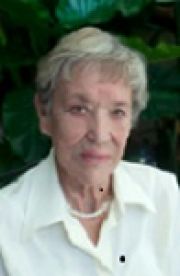
Margaret Bartkevicius
Inducted in 2013 for services to:
- Community, advocacy and inclusion
- Education and training
Margaret Bartkevicius
Inducted in 2013 for services to:
- Community, advocacy and inclusion
- Education and training
Born: 15 Oct 1934
(Launceston, Tasmania)
Passed: Apr 2019
Margaret highlighted the importance of early childhood education and the arts in education…a passionate and committed woman
Margaret James (Bartkevicius) has been a highly respected educator, and taken an active role in civic and political affairs and the arts.
Margaret began her teaching career at Rossarden as an untrained kindergarten teacher. Her years at Haig Street Kindergarten in Launceston brought her to the notice of senior officers in the Department of Education. In 1974, she was offered and accepted a position as a primary school science consultant, in recognition of her outstanding knowledge and skills in this curriculum area. Further recognition of Margaret's expertise resulted in the opportunity to become a Regional Superintendent in the Department, a position she held from 1978 until her retirement in 1991.
Having commenced her career as an untrained teacher, Margaret took up the challenge of gaining her Bachelor of Education degree and a post graduate qualification in the field of early childhood education at the Melbourne University's Graduate School of Early Childhood Education.
Margaret was a founding member and Chairman of the Kindergarten Teachers Association (1970-1974). Throughout her career she was fiercely passionate about teacher training, raised the awareness of early learning, and highlighted the importance of parental involvement in their child's education and the importance of the arts in all sectors of education. A former dancer, who performed at Brisbane's Theatre Royal in 1950, and keen porcelain painter, Margaret contributed to the arts by serving as a Chairman and Director on the Board of Tasdance and the Friends of Tasdance. Margaret also served as Secretary on the Northern Tasmanian Porcelain Painters Association.
Margaret's interest in civic life has included: Secretary of the National Council of Women's Launceston Branch; Convenor of Women in Local Government; a member of the Search Conference for Launceston; a campaign member for the Australian Republican Movement; a management committee member of the National Conference of the Association of Independent Retirees; a member of the ABC Advisory Committee; and a member of the Breast Cancer Day committee.
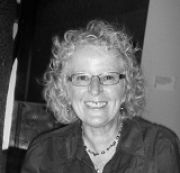
Prudence (Pru) Bonham
Inducted in 2013 for services to:
- Community, advocacy and inclusion
- Government (Public services and politics)
- Science, technology, mathematics and research
Prudence (Pru) Bonham
Inducted in 2013 for services to:
- Community, advocacy and inclusion
- Government (Public services and politics)
- Science, technology, mathematics and research
Born: 1948
(Sydney, New South Wales)
Admirable constancy despite her job taking her off on long sea voyages
Pru is the former Deputy Lord Mayor of Hobart who, despite time away as a marine biologist, has provided a sense of constancy as an active community volunteer.
Pru was a Hobart City Council Alderman from 1990 to 2002 and Deputy Lord Mayor between 1994 and 2002, serving on nearly every Council committee, including Chairman of Parks and Customer Services. She also served on many external bodies such as Chairman of the Wellington Park Management Trust, and Trustee of the Royal Tasmanian Botanical Gardens.
As an Alderman, Pru worked tirelessly for the community and attended many community and progress association meetings. She advocated for residents on a variety of issues and problems that arose.
Since retiring from Council, Pru is a Life Member of the Australian Local Government Women's Association (ALGWA) Tasmania Branch, and has been a leading force in supporting and mentoring women (and men) who wish to represent their community.
Pru spent 26 years as a marine biologist with the CSIRO conducting essential environmental research. Marine expeditions have taken Pru from the Antarctic to the tropical waters of Papua New Guinea and Western Australia. Pru's research included identifying plankton, ecological studies of microscopic ocean flora and fauna, and water quality studies in the Huon Estuary and D'Entrecasteaux Channel. She has also worked in meat science and in pathology testing human cell samples.
Recognised for her considerable people skills, Pru has volunteered for a number of years at the Mission to Seafarers Hobart Station making international seafarers feel welcome in Hobart. Pru's computer skills are valued by seafarers, who have little English, and are assisted to connect with their family.
Pru has been a Fellow of Jane Franklin Hall, University of Tasmania since 2006, providing advice and support to students as they begin their university studies.
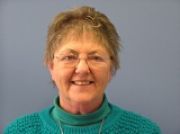
Sister Phillipa Chapman
Inducted in 2013 for services to:
- Community, advocacy and inclusion
Sister Phillipa Chapman
Inducted in 2013 for services to:
- Community, advocacy and inclusion
Born: 9 Jun 1939
(Melbourne, Victoria)
Passed: 29 Jun 2011
A trendsetter for social welfare issues and identified needs in areas…often overlooked
Sister Phillipa Chapman identified needs in the community that were often overlooked. No obstacle, either political or financial, deterred her. She was on a mission.
The vocational call to join the Sisters of Good Shepherd came in 1956, when Sister Phillipa was 17.
Sister Phillipa's work at Mount Saint Canice in Sandy Bay included the duties of chef, house mother, dental assistant and Director from 1972 to 1974. She also studied at the University of Tasmania's Conservatorium of Music and recorded three albums of her own compositions.
In 1975, Sister Phillipa transferred to the Good Shepherd Order to work at what is now Centacare Family Services as a counsellor and community development worker. As a community worker in Bridgewater, she played a pivotal role establishing the Bridgewater Neighbourhood Centre.
Sister Phillipa graduated as a social a worker in 1976. In 1978, she was appointed to Centacare's Office of Adoption and conducted research with relinquishing parents in Tasmania and Victoria, assessing their attitudes to having open access to birth files.
In 1980, Sister Phillipa travelled overseas to investigate services focussing on unplanned pregnancy, single mothers and post abortion support. The experience made her a valuable member of the Adoption Working Party that developed the Tasmanian regulations of the Adoption of Children Act 1988. The Act established the Adoption Information Service.
In 1989, Sister Phillipa was appointed Centacare's Executive Director and was instrumental in developing national social and community welfare courses by initiating family group homes, programs for young mothers, psycho-education programs for men who abuse their families; MARITAS (Marriage Education Association for the Archdiocese) and managing crisis events in the community.
Sister Phillipa dedicated her energies and care to new humanitarian entrants and broadened her knowledge of other cultures by learning their language, rituals and traditions and worked extensively with African refugees.
Sister Phillipa received the Tasmania Day Award 1985.
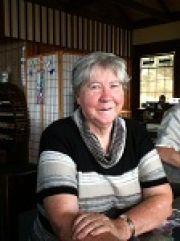
Judith Cleaver
Inducted in 2013 for services to:
- Community, advocacy and inclusion
Judith Cleaver
Inducted in 2013 for services to:
- Community, advocacy and inclusion
Born: 28 Jul 1938
"With a mouthful of scone how could she refuse joining the auxiliary?" So began a long association with Retarded Children's Welfare Association (RCWA) and Oak Tasmania
Judith Cleaver has made a significant contribution to the Tasmanian community and women's organisations.
At a morning tea in the 1960s, Judith's name was put forward to join the Retarded Children's Welfare Association (RCWA) auxiliary to support fundraising to buy curtains and furniture for the new Quiet Room. So began Judith's long association with the RCWA, serving as Southern Region Secretary and Hobart committee member, then as a member of the Board of the Directors. Judith took a particular interest in the establishment of welfare services when RCWA became the company, Oak Tasmania, in 1992. When Judith resigned as a Director of Oak Tasmania in 2008 she was made a Life Member.
A strong feminist, Judith headed the Commonwealth's Women's Information Service in Tasmania and worked extensively with the National Council of Women, women Senators, ethnic women's groups and women's non-government organisations. She was also an inaugural member of the Tasmanian Council of Women.
As an Officer with the Commonwealth Department of Prime Minister and Cabinet, Judith advocated against domestic violence. She had input into Federal policies on human rights, equal opportunity and discrimination. Judith also served on committees to oversee funding to women's organisations.
Judith was instrumental in developing the Legal Line for women in need of legal advice on the West Coast of Tasmania and served as a social work volunteer for the Community Legal Service.
Judith's career also included working for the Tasmanian Council of Social Service (TasCOSS), Lifeline and as Brighton Council's Manager, Community Services. These positions involved working with a range of community groups.
Judith has served as a Treasurer on the TasCOSS Board, the Claremont College Board and was a Convenor of the Southern Regional Health Committee. She was also a member of Housing Tasmania's committee to establish a method to allocate public housing.

Country Women's Association of Tasmania
Inducted in 2013 for services to:
- Community, advocacy and inclusion
Country Women's Association of Tasmania
Inducted in 2013 for services to:
- Community, advocacy and inclusion
Founded: 1936
CWA… over 75 years old and still going strong…
From handmade quilts for nursing homes and palliative care wards, making clothes for premature babies, fundraising for medical equipment, organising nursing home luncheons, and getting behind communities in need, the Country Women's Association (CWA) has made extensive contributions to communities in Tasmania since its formation in 1936.
An interest in giving community service and a need for better understanding among women were the CWA's early objectives. The CWA was an outlet for women to meet and work together. This practice continues today.
CWA members are quiet achievers offering voluntary support. The CWA has raised funds for drought assistance for rural families, families who have lost their homes in fires, local sporting teams, charities and lymphedema patients. Through the CWA's important fundraising efforts medical equipment has been purchased such as a heart monitor, 10 patient-controlled analgesia systems and a defibrillator.
The CWA support for communities extends beyond Australia's shores. CWA members provide women's groups in the South Pacific with funds, sewing and knitting supplies, children's books and educational aids.
The CWA is also an effective lobby group and was influential in the introduction of baby clinics, the installation of Accessible Pedestrian Systems (an audio and tactile system) at traffic lights and seatbelts in cars.
The CWA has given women the opportunity for personal growth and provided them with the resources to become confident in public speaking, to chair and record meetings, keep financial ledgers and pursue other opportunities. Six Tasmanian State Presidents have held the position of National President, Country Women's Association of Australia.
The CWA sponsors an annual Rural Scholarship as well as a Nursing Bursary to the best first year student from a rural area studying at university. The CWA has also sponsored a foster child for the past 40 years.
Fellowship, friendship and caring keep the CWA, which now has 560 members, going strong.

Anna Crotty
Inducted in 2013 for services to:
- Human rights, justice and corrections
Anna Crotty
Inducted in 2013 for services to:
- Human rights, justice and corrections
Born: 1948
An exemplary and inspirational contribution to human rights, both in Tasmania and globally
Lawyer Anna Crotty has been driven, since leaving school in grade six, to contribute to rectifying perceived 'injustices'. Anna attended night classes and graduated from the University of Tasmania with an Arts Law Degree in 1979. She then entered an industrial relations career.
Anna's trade union work paved the way for equal rights and equality for women in the workforce with many of her cases setting a precedent for workers' rights and entitlements. The cases covered equal rights, discrimination, equal pay for equal work, class sizes, education policies and the national registration of teachers.
Anna represented the Tasmanian Trades and Labour Council in drafting and implementing far reaching changes to the Tasmanian Public Service, which culminated in the establishment of the State Service Act 2000, Workers Rehabilitation and Compensation Act 1988 and Industrial Relations Act 1984. In 2002, Anna assisted with setting up Tasmania's Anti-Discrimination Commission and administering the Anti-Discrimination Act 1998 (Tas).
Since 1994, Anna has operated a legal practice specialising in human rights. Some of her cases have been high-profile and ground-breaking and have led to the establishment of new law.
After the devastating Pakistan earthquakes in 2005, Anna and some friends founded the charity, Tents4Peace. The charity has provided emergency shelter and necessities for children in war-torn and natural disaster areas around the world and established a 250 person orphanage in Kabul, Afghanistan. To date, Tents4Peace has provided shelter for over 10 000 children and their families.
A dedicated environmentalist, Anna has overseen Wilderness Society campaigns such as the Wesley Vale Pulp Mill, Farmhouse Creek and Picton protest. She has also coordinated the Great Forest Walk.
Anna has received the following awards: the Pride of Australia Medal 2008; the ABC My Favourite Australian Unsung Hero 2008; Pride of Place National Portrait Gallery Canberra; Human Rights Medal 2010 for Tasmania and is the Tasmanian Senior Australian of the Year for 2013.
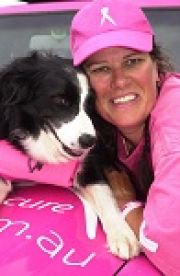
Deborah De Williams
Inducted in 2013 for services to:
- Community, advocacy and inclusion
- Sport and recreation
Deborah De Williams
Inducted in 2013 for services to:
- Community, advocacy and inclusion
- Sport and recreation
Born: 10 Sep 1969
(Western Australia)
Running for a cure
Never tell Deborah De Williams "never" as she has an outstanding determination to achieve sporting and charity goals.
Deborah was the first woman to walk around Australia. From October 2003 to October 2004, she walked 16 925 kilometres in 365 days and raised funds for the Kids Help Line along the way.
When Deborah was diagnosed with breast cancer on 15 March 2006, she decided her way to fight cancer was to start planning to be the first woman to run around Australia to raise money for breast cancer research.
"I couldn't - wouldn't - let cancer take the prize of being my toughest challenge."
Running around Australia remained a focus for Deborah during cancer treatment. She established the charity, Running Pink, and trained daily. Her motto is "change the world, one step at a time". When Deborah was finally ready to run around Australia, adversity struck. She tripped over her dog, Maggie, and broke both her feet. Doctors said she would never run again, but Deborah had heard a similar prognosis as a 14-year-old. At that time she started dog walking, then race walking and ultimately became an ultra-marathon runner.
After surgery and recovery, Deborah again defied the odds and became the first woman to run around Australia, completing the 18 026 kilometre run in 406 days, in May 2011, and raising over $200 000 for breast cancer research.
Running Pink is helping women "get back into life" after cancer through exercise and running programs. In April 2012, Deborah and Running Pink took a team of breast cancer survivors to run in the London Marathon.
Deborah's awards include the: Tasmanian Pride of Australia Courage Medal 2012; Tasmanian Australian of the Year 2011; Endurance Fundraiser of the Year Award 2011; National Breast Cancer Foundation, 2011 Patron Awards; Tasmanian Community Achievement Awards - Outstanding Achiever Award 2011; and the Cliff Young Award for most courageous athlete 2004.
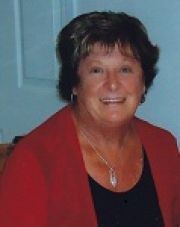
Fay Denholm
Inducted in 2013 for services to:
- Sport and recreation
Fay Denholm
Inducted in 2013 for services to:
- Sport and recreation
Born: 1946
An exceptional athlete and coach who taught young athletes how to enjoy sport and do their best
Fay Denholm (nee Green) has been a significant contributor to Tasmanian athletics for over 40 years. This contribution has been as a State athlete, coach and administrator.
As an athlete, Fay was an excellent sprinter. She won Tasmanian titles at 100, 200 and 400 metres and represented the State on many occasions at National Championships.
As a coach, Fay was fearless undertaking challenges not previously tackled by Tasmanian women in athletics. She was one of the first to prepare athletes to compete in the State's 'professional' running circuit - until then the exclusive domain of male trainers.
Fay guided the paths of countless young men and women, of all levels of ability, through athletics. Many athletes Fay trained went on to represent their State. Some of these athletes represented Australia. Through Fay's support and advice, athletes have been able to enjoy their sport and achieve their best.
Fay worked almost exclusively as a volunteer but she also ensured she was best prepared to guide her charges by gaining relevant coaching qualifications. She has been a mentor to developing coaches as well as a lecturer and demonstrator on coaching courses.
Fay's coaching has been recognised both at the national and state levels by Athletics Tasmania, the Tasmanian Athletics League, the Sports Carnivals Association of Tasmania and the Australian Athletic Confederation.
As an administrator, Fay followed in the footsteps of her late mother, Myrtle Green, and rose through the Newstead Women's Harrier Club, Northern Women's Combined Clubs, the Northern Branch of Athletics Tasmania and became Deputy President of Athletics Tasmania. In 2005, Fay was awarded Life Membership of Athletics Tasmania.
Fay's 40 years of service to the sport was recognised by Athletics Australia through its Platinum Service Award.
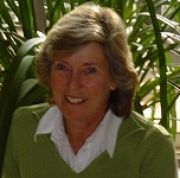
Helen Gourlay (Cawley)
Inducted in 2013 for services to:
- Sport and recreation
Helen Gourlay (Cawley)
Inducted in 2013 for services to:
- Sport and recreation
Born: 23 Dec 1946
(Launceston, Tasmania)
A cheerful competitor throughout her international career
Five-time tennis Grand Slam Champion, Helen Gourlay, is the most internationally successful tennis player Tasmania has ever produced.
Helen's tennis potential was evident from a young age. According to her mother she could hit the ball over the net at just two years of age.
Helen became the first Tasmanian to represent Australia in tennis. In 1972 and 1975 she captained the Australian Federation Cup Team, and was a member of the Australia v USA Bonne Belle Cup Team. In 1972, Helen also won, with Evonne Goolagong, the South African Open and the British Hard Court Open Doubles Championships.
The highest profile victory for Helen was her 1977 Ladies' Doubles win at the championships at Wimbledon (with JoAnne Russell). In the first round they defeated No. 2 seeds, Chris Evert and Rosie Casals. In the final they defeated the No. 1 seeds, Martina Navratilova and Betty Stove: 6-3, 6-3. Helen was also runner-up in the Ladies' Doubles at Wimbledon in 1974.
By 1977, Helen had won the Australian Open Doubles four times with: Kerry Harris (1972); Evonne Goolagong (1976 and December 1977); and Diane Fromholz (January 1977).
Helen was runner-up in two Grand Slam singles finals: the 1971 French Open and the 1977 Australian Open.
Helen's highest World Ranking was No. 12 in 1971.
After 13 years on the International Circuit, Wimbledon 1978 was Helen's final event. She returned to Launceston and her daughter was born later that year.
At the inception of the Australian Institute of Sport in Canberra in 1981, Helen took up the appointment to set up the Tennis Program and has coached and professionally supported successive generations of promising Australian tennis players.
Helen was inducted into the Tasmanian Sporting Hall of Fame in 1987 and awarded the Australian Sports Medal in 2000.
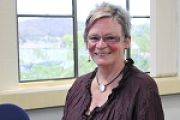
Maxine Griffiths AM
Inducted in 2013 for services to:
- Human rights, justice and corrections
Maxine Griffiths AM
Inducted in 2013 for services to:
- Human rights, justice and corrections
Born: 1957
A human rights and social action advocate with a passion for helping others
Maxine Griffiths has been described as a "passionate pioneer of social change". She is a human rights and social action advocate for the most vulnerable people in the communities in which she has lived and worked.
Maxine has 34 years experience in managing not-for-profit organisations. She is also a director of a small company, which is an individualised funded disability support program for her foster son, the first of its kind in Tasmania. Establishing the service was a significant achievement involving intense lobbying and advocacy against great resistance.
Early in her career, Maxine developed integrated childcare for children living with disability and pioneered and managed a family disability advocacy service, including representation for carers of people with disability.
Maxine's professional career has included: Manager, Children's Contact Services with Relationships Australia; and Chief Executive Officer for the organisations Volunteering Tasmania, Council of the Ageing Tasmania (COTA Tas) and Lifeline Tasmania.
At the helm of Volunteering Tasmania, Maxine expanded the organisation into Tasmania's North and North West and was successful in gaining peak body recognition.
While at COTA Tas, Maxine was proactive in lobbying for the establishment of the Elder Abuse Strategy which highlighted the need to address the often hidden and taboo subject of elder abuse in our community.
Maxine is committed to community work. Her voluntary community work has included: being a carer to her foster son; the establishment of Action Group for Children with Disabilities, Disability Ethics Committee; being a member of Volunteering Australia Board of Directors; a Board member and President of COTA Tas; and being a member of various Ministerial Advisory Councils, including the Ministerial Health and Wellbeing Advisory Council.
In 2000, Maxine was a Finalist for Tasmanian of the Year. In 2003, Maxine was honoured by the Human Rights Commissioner during Human Rights Week and received a Member of the Order of Australia (AM) for advocacy for people with disability.
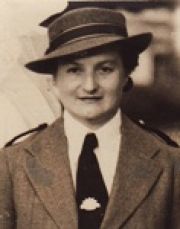
Susan Haines OBE
Inducted in 2013 for services to:
- Defence
- Health
Susan Haines OBE
Inducted in 2013 for services to:
- Defence
- Health
Born: 8 Jun 1910
(the West Coast of Tasmania)
Passed: 8 Aug 1992
One of Australia's most eminent nurses… St John's Hospital's most famous graduate
Susan Haines was described as 'St John's Hospital's most famous graduate' in the book Inasmuch: St John's Hospital Hobart, 1899-1999 by Linda Gannell. The description was apt for one of Australia's most eminent nurses.
After completing her general nurse training at St John's Hospital, Susan was later theatre charge nurse, a position she also held at the Masonic Hospital in Sydney. Other Australian appointments included Matron of 109 Australian General Hospital (AGH) Alice Springs, Principal Matron of the Northern Territory Forces and Matron of Concord (NSW) 113 AGH.
In 1940 Susan was one of the first of eight Tasmanian nurses to be posted to the Middle East with the Australian Imperial Force and held the rank of Lieutenant Colonel. In 1945, she received the award of the Royal Red Cross for her role with the Australian Army Nursing Service during the war.
In 1946, Susan was appointed Chief Nurse of the English Section of the United Nations Relief and Rehabilitation Administration. In this role she travelled from her London headquarters to be involved in nursing services in Italy, Greece, the Dodecanese Islands (in the Aegean Sea), Germany and Austria.
After 11 years in Europe, Susan was seconded to the position of Nursing Consultant to the Minister of Health in South Korea to re-establish the nursing service after the Korean War.
In 1955, Susan was awarded the Order of the British Empire - Commander (Civil). In 1957 poor health forced Susan to retire from nursing and return to Tasmania, where she undertook consultancy projects with the Australian Federation of Nursing. Susan was one of the first nurses to be made an Honorary Fellow of the Royal College of Nursing.
In the 1960s, Susan established The Curiosity Shop in Hobart, and became an acknowledged authority on antiques.
Susan passed away on 8 August 1992.
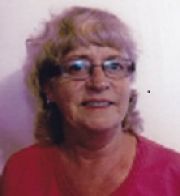
Jennifer (Jenny) Hamer
Inducted in 2013 for services to:
- Community, advocacy and inclusion
Jennifer (Jenny) Hamer
Inducted in 2013 for services to:
- Community, advocacy and inclusion
Born: 2 May 1944
(Queenstown, Tasmania)
A selfless dedication to and understanding of people in trouble and adversity
Volunteer fire fighter, coastguard and business operator Jenny Hamer (nee Doherty) works for a safer Tasmania.
Jenny has been an active volunteer fire fighter since 1969. With her husband, Kerry, she pioneered Strahan's local fire brigade and built Strahan's first fire station - from an old tin shed to a state-of-the-art building staffed by well-trained fire crews.
Jenny is known for her selfless dedication to and understanding of people in trouble and adversity. She works for a safer Tasmania and improved fire awareness of others by actively participating in emergency procedures.
The tragic loss of Jenny's brother at sea in 1979 saw her start the volunteer coastguard with the promise to herself that there will always be someone listening if the call for help should arise. At that time the West Coast had no procedures in place for immediate rescue.
Jenny has received recognition for her voluntary commitment to helping others. She was awarded: the Emergency Service Pride of Australia Medal Tasmania in 2009; the Tasmanian Fire Service 25 years' service medal in 2004; the 10 year certificate for the volunteer coastguard in 2002; and the Tasmania Day Citizen of the Year award in 2011.
Jenny is a valued member in her community. She, along with her husband, built the Strahan service station and they own and operate Strahan Towing and Forklift Hire. They are also the local RACT agents.
An avid sportsperson, Jenny is a foundation member of the Strahan Indoor Bowls Club and a life member of the Strahan Hockey Club.
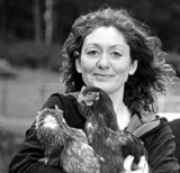
Emma Haswell
Inducted in 2013 for services to:
- Community, advocacy and inclusion
Emma Haswell
Inducted in 2013 for services to:
- Community, advocacy and inclusion
Born: 1968
A fantastic example of what one woman can achieve with strong beliefs, passion, drive and energy
Emma Haswell has intervened to stop cases of animal cruelty, influenced animal welfare law reform and has spent countless hours educating others about animal welfare.
Emma has been involved in many direct actions exposing intensive farming operators who she believed were mistreating animals. On several occasions, the information collected prompted formal investigations, and focussed the Government's attention on working with industry to ensure consistently high standards of animal welfare. Emma's passion, relentless push for change, and strong resolve to speak out, underpin her effectiveness as an animal welfare champion.
The plight of pigs subjected to inadequate care in sow stalls received national and international coverage after Emma enlisted friends to film pigs living in appalling conditions. The footage was used in the film An Eternal Treblinka, which received widespread publicity and helped highlight confinement of sows in stalls as an issue of public importance. The Tasmanian Government has since moved to mandate significant restrictions on sow stall use.
Emma founded the Brightside Farm Sanctuary in 2006, to provide a centre for animal rescue, rehabilitation and re-homing.
Since founding the Sanctuary, Emma has delivered the Brightside education program to over 30,000 school children, re-homed 400 animals a year and provided a safe haven to 250 rescued animals. This represents a significant number of animals with much greater prospects of enjoying long, healthy lives in secure environments.
Brightside has a Memorandum of Understanding with the Huon Valley Council to enable the best possible outcomes for some of Tasmania's most vulnerable animals. Brightside also work closely with the Dogs' Home of Tasmania (Hobart) to help with some of their more problematic dogs. Emma is also involved with lobby groups such as Animals Australia and Voiceless, and engages directly with the State Government on diverse animal welfare issues.
Emma has been awarded the Voiceless People's Choice Award 2008; the Shining World Compassion Award 2008 and the Hobart Dogs' Home Award for Services to Tasmania's Dogs 2010.
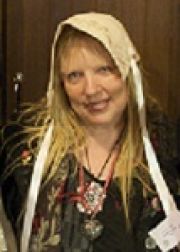
Dr Christina Henri
Inducted in 2013 for services to:
- Arts and media
Dr Christina Henri
Inducted in 2013 for services to:
- Arts and media
Born: 6 Apr 1949
(Hobart, Tasmania)
Bonnets which have captured a nation
Conceptual artist Christina Henri is taking Australia's female convict story to the world.
When Christina visited the Cascades Female Factory Historic Site in South Hobart in 2003, she was captivated by the female convict story and has worked tirelessly ever since to highlight the plight of convict women and their children.
Christina's early works used images and installations of christening bonnets to focus on the high infant mortality rate at the Female Factory. Recent research indicates more than 1 000 children born to women incarcerated in the Female Factory are thought to have died.
Since 2007, Christina has been working on Roses from the Heart, the first ever memorial to the 25 566 women sentenced as convicts and transported to Australia from 1788 to 1853. Roses from the Heart invites people from around the world to make and contribute a servant's bonnet to symbolise the life of each convict woman. In 2012, male and female prisoners from two Dublin prisons, presented Christina with 800 bonnets. So far 22 000 bonnets have been received for what will become an international tour site and permanent memorial in Tasmania.
Christina holds regular public events and performances such as Blessing of the Bonnets ceremonies and talks to community groups to highlight the female convict story and remove the 'convict stain'. Many such events have been held in regional Australia to enrich the historical and cultural life of isolated communities.
In 2010, Christina was the main exhibitor of the Festival of Quilts at the National Exhibition Centre, in Birmingham, in the United Kingdom.
Christina wrote a weekly column about the lives of convict women for The Mercury from 2007 to 2012 and appears regularly on ABC Radio.
Christina completed her PhD in visual and performing arts in 2011. Her research focussed on 'Engaging the Convict Legacy: Art's Role as a Means of Understanding'. Christina has been the honorary artist in residence at the Cascades Female Factory Historic Site since 2003.
Photo credit: Pat Whitford
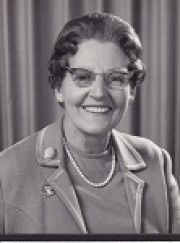
Olive Rosalie Hine AM
Inducted in 2013 for services to:
- Community, advocacy and inclusion
Olive Rosalie Hine AM
Inducted in 2013 for services to:
- Community, advocacy and inclusion
Born: 9 Sep 1911
(Mella, Tasmania)
Passed: 1 Jul 2007
A pioneering spirit led to a varied and fulfilling life
Olive 'Rosalie' Hine (nee Heathorn) had a pioneering spirit.
After graduating from the Philip Smith Teaching College, in Hobart, she was appointed as the teacher at Christmas Hills; a one-room, one-teacher school.
In 1936, Rosalie and husband, Tom, lost all their possessions in a house fire and lived in a one-room hut until the new home was built at Britton's Swamp in 1937.
From humble beginnings, Rosalie and Tom raised nine children. Rosalie considered family her proudest and greatest achievement.
Rosalie was awarded a Member of the Order of Australia (AM) for services to the Country Women's Association (CWA) and community in 1976. The CWA made her a Life Member in 1987 for her active involvement, which included State President, and helping to organise the 17th Triennial Conference of the Associated Country Women of the World in Perth, Western Australia, in 1971. Her role with the South Pacific Conference, in New Zealand, saw her invited to join the Metro Conversion Board in the cookery section and travel to meetings in Sydney.
Her community involvement also included membership of the ABC Advisory Council, helping to renovate and organise events at Mella Hall, and involvement in the Junior Farmers' movement. Rosalie and Tom were the only couple to be awarded combined Life Membership of the Smithton Primary and High School committees.
After Tom died in an industrial accident at the Circular Head Dolomite plant in 1973, Rosalie later became a Director of the company. She was also a board member of Summit Industries sheltered workshop; Chairman of the Emu Bay Chorale and Drama Group, member of the Hellyer CWA choir, and Association of Independent Retirees.
In 1988 Rosalie received the Wynyard Municipality Australia Day Citizen Award. In 2005, the Liberal Party awarded Rosalie the Braddon Shield for outstanding service to the electorate.

Renate Hughes
Inducted in 2013 for services to:
- Community, advocacy and inclusion
- Health
Renate Hughes
Inducted in 2013 for services to:
- Community, advocacy and inclusion
- Health
Born: 1958
A passion to advance and enrich people's lives
Community Services worker Renate Hughes is committed to developing support networks for the most vulnerable people in the community.
Renate has completed formal studies in Community Services, Teaching and Learning and Management. Renate volunteered with the Childbirth Association of Australia and Lifeline on their training teams and later worked as a Department of Community Welfare intervention worker providing support to women experiencing family violence.
From 1987 to 1988, Renate worked with youth as a Street Youth Outreach Worker and was involved in the establishment of the drug and alcohol support service for youth, Your Place.
Between 2005 and 2010, Renate further advanced her youth work as: an assistant coordinator of the Youth Affairs Council of Tasmania; a teacher at TAFE Tasmania; and later as Glenorchy City Council's Youth Development Officer. She has been a key player in a range of health promotion projects and events and was central in developing the Glenorchy Mobile Activity Centre.
Renate has also been central to the development of the Steps to the Future - Learning Pathways for Young Parents project in her role as Social Planning Officer for Glenorchy City Council. This project provides a range of individual and group learning programs for young mothers in Glenorchy.
Renate has delivered training programs on suicide awareness and prevention and is the Chair of the Glenorchy Suicide Prevention Network.
Research projects undertaken by Renate include: adolescent smoking trends and approaches to smoking cessation and the development of minimal intervention programs (for the Lions Drug Education Network); and researching and promoting child abuse prevention programs (for the Department of Community and Health Services).
Renate received the Advance Australia Award 1991 for outstanding contributions for the advancement and enrichment of Australia.
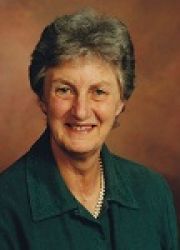
Norma Jamieson
Inducted in 2013 for services to:
- Community, advocacy and inclusion
- Health
Norma Jamieson
Inducted in 2013 for services to:
- Community, advocacy and inclusion
- Health
Born: 23 May 1941
(Ulverstone, Tasmania)
Continual knockbacks enthused Norma with more energy…to ensure the respite service was sustained
The leadership, tenacity and energy of Norma Jamieson in seeing a need for a respite service for carers, and creating a solution for a known problem, will long be recorded as significant in Devonport's community history.
While running a busy Devonport medical practice with her husband in the 1960's, Norma recognised the need for a respite service for carers and individuals being cared for in the community.
In 1984, the concept of Orana was born and will forever be linked with Norma Jamieson. The community-based respite care service was set up in East Devonport. It operated with one staff member and initially without government financial assistance. Orana provided respite care to individuals whose home carers needed a break for health or family issues. Hospitals also used the facility for patients ready to be discharged but not yet at a stage of recovery to return home.
Norma developed Orana into a facility offering overnight and day care for those who were aged and incapacitated. After 20 years of operation Orana had expanded and employed 28 staff.
The continual fight for finance and recognition of the place of Orana in the health sector, both in Tasmania and at Federal level, would have seen many give up the fight. Continual knockbacks only enthused Norma with more energy to use whatever avenue was necessary to ensure the proven service was sustained.
Norma's community input has also included membership of the: Uniting Church Choir and Youth Groups; Don Chorale; Acrod; TasCOSS; Hospice; Mothers' Club; and past State President of the Voluntary Euthanasia Society of Tasmania.
Norma represented her community on the Legislative Council from 2003-2009.
Norma was the inaugural winner of the Women's Pilots Association night-time flying award.
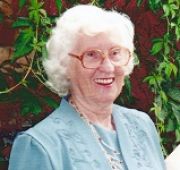
Betty Mayhead
Inducted in 2013 for services to:
- Community, advocacy and inclusion
Betty Mayhead
Inducted in 2013 for services to:
- Community, advocacy and inclusion
Born: 8 Nov 1924
(Launceston, Tasmania)
Passed: 16 Aug 2010
Always involved and active within her community
Betty Mayhead (nee Corrick) married Geoffrey Mayhead after the end of World War II and they had three children; Jan, Gillian and Ian.
Betty was always involved and active within her community. Betty became a Life Member of the East Launceston Primary School Mothers' Club, the Scotch College Ladies Committee and the Penguin Club. She was also an active member of the Chalmers Presbyterian Church, until it closed. Betty then joined the congregation of the Uniting Church in Launceston, where she held a variety of positions in the Guild and in women's organisations.
It was the 65 years of service to the Girl Guides' Association that Betty will be best remembered, where she served the youth of Launceston and surrounding country areas in Northern Tasmania. Betty held many senior positions with the Girl Guides including Lieutenant and Captain of the 9th Launceston Unit. She rose to become District Commissioner and then the ninth Commissioner of the North Eastern Region.
In 1944, Betty was employed by the Commercial Bank of Australia. Her financial knowledge made her an invaluable member of the Girl Guides' State Executive where she played a key role as State Fundraising Coordinator developing innovative fundraising initiatives.
Betty's commitment to the community was also demonstrated when she and Joan Whelan managed the Margaret McIntyre House in Launceston. This home offered country girls a place to board when coming to Launceston to attend Matriculation College or Technical College.
Betty received the Emu Award from the Girl Guide Association and the Australia Day Citizens Award (1998) for her outstanding service to Guiding in Tasmania.
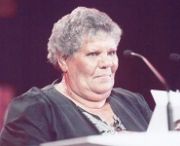
Dorothy Murray
Inducted in 2013 for services to:
- Aboriginal or Torres Strait Islander affairs
Dorothy Murray
Inducted in 2013 for services to:
- Aboriginal or Torres Strait Islander affairs
Born: 2 Mar 1941
(Cape Barren Island)
A 'no fuss' person who gets on with the job
Aboriginal Elder Dorothy Murray is well respected for her work in advancing Aboriginal people in a social justice framework.
Dorothy was born on Cape Barren Island on 2 March 1941. At the age of 15 she was assisting and teaching Aboriginal children in Grades 1 and 2 at the Cape Barren Island Primary School.
As one of the founders and the administrator of the Aboriginal Elders Council of Tasmania, Aunty Dorothy created a culturally sensitive meeting place for Aboriginal people, and organised and negotiated programs for her community including: Home and Community Care; Meals on Wheels; bingo; National Aborigines and Islanders Day Observance Committee activities; Elder support and assistance; cultural trips; shell necklace making workshops; and art activities.
Art activities organised by Aunty Dorothy played an important role in promoting Aboriginal people and their culture. She negotiated a large black and white photographic exhibition by Ricky Maynard, which showcases Elders and proudly hangs on the walls of the Chambers Hall in Launceston.
The 'Through Our Eyes' quilt making workshops she organised reflect the culture, family and community and tell stories of mutton-birding, shell necklace making and the Aboriginal soldiers from Cape Barren Island. The quilts are treasured by the Aboriginal community.
Aunty Dorothy helped break down barriers and build tolerance and understanding through the Department of Education's Aboriginal Speakers Program. She visited schools in the North of the State and taught Aboriginal and non-Aboriginal children about the rich cultural practices of her people.
She is the female singer for the Aboriginal band Island Co's that sings and plays unique Cape Barren Island music that evolved from the sealers.
Aunty Dorothy has been a volunteer on a number of committees including the Cape Barren Island Council, Tasmanian Aboriginal Children's Association, Aboriginal Land and Sea Council, Tasmanian Aboriginal Centre and Elders Council of Tasmania.
Aunty Dorothy was awarded a NAIDOC Message Stick by the National NAIDOC Committee in 2012.
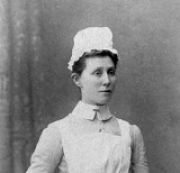
Matron Major Elizabeth (Lizzie) Orr
Inducted in 2013 for services to:
- Defence
- Health
Matron Major Elizabeth (Lizzie) Orr
Inducted in 2013 for services to:
- Defence
- Health
Born: 8 Sep 1860
(Gretna, Tasmania)
Passed: 30 Apr 1945
An interesting life that took her round the world
Nursing was regarded as a gift and vocation by Matron Major Elizabeth Orr.
In 1881, Elizabeth began her nurse training at the (Royal) Hobart General Hospital. Her working life started as a country nurse, riding her horse to visit patients. After riding through rough weather to see a patient, the people of Zeehan gave her a diamond ring.
When the Boer War was declared, Elizabeth was nearly 40. Tasmania did not send nurses to the South African war. Anyone wishing to serve did so at their own discretion and expense. Reaching South Africa in January 1900 Elizabeth joined the Queen Alexandra's Imperial Military Nursing Service Reserve (QAIMNSR) and served in military hospitals until 1902. She stayed in South Africa as a hospital matron until April 1913.
On the outbreak of World War One, Elizabeth re-joined the QAIMNSR and was posted to the 21st British General Hospital in Egypt. For 18 months, she was matron of transports in the Mediterranean, Gallipoli and Salonika areas, including duties on troop-ships and hospital ships. Elizabeth later served in hospitals in the Persian Gulf. As a matron of the 2500 bed 60th British General Hospital at De-el-Belah, in tents on sand, she served through the Palestine campaign. Suffering malaria, she was invalided to England in March 1919.
After recuperation, Elizabeth returned to duty at the Royal Herbert Military Hospital, Woolwich, England. In 1920, she left England for Tasmania and became matron of the Vaucluse Infectious Diseases Hospital in Hobart. She retired in 1931.
Elizabeth attended her first ANZAC service in Cairo in 1916. She never missed ANZAC Day services remarking she had "seven medals and a good chest to put them on". The Medals included the: Queen's South Africa Medal; Australian Trained Nurse Association Medal 1903; 1914-18 Star; War Medal 1914-18; Victory Medal 1914-19; the Coronation Medal; and Royal Red Cross Medal 1919.
Photo Credit: National Boer War Memorial Association Newsletter, Victoria
Special thanks to Reg A Watson for his passion in researching and sharing the stories, previously untold, of Tasmanian women such as Elizabeth Orr.

Kim Phong
Inducted in 2013 for services to:
- Multicultural affairs
Kim Phong
Inducted in 2013 for services to:
- Multicultural affairs
Born: 1953
(Vietnam)
Sheer determination has enabled Kim to succeed where others have not
The vision and persistence of Kim Phong, one of the original 'boat people' who arrived in Australia from Vietnam in 1979, has contributed enormously to the Tasmanian community.
Kim initially settled in Sydney working seven days a week in factories to repay the debt incurred through the perilous boat journey to Australia.
Kim moved to Hobart in 1995 and began work as an interpreter in Chinese and Vietnamese languages. In 1996 the Migrant Resource Centre employed Kim as a day care assistant with elderly Chinese clients.
When Kim discovered Hobart had a thriving Chinese Community Association, she became a committee member and soon became the Association's newsletter editor. The editing involved many hours of careful translation from English to Chinese, as well as the newsletters production and distribution.
In 1997 Kim was determined that the Chinese Community Association would auspice a new Chinese language school; despite knowing that previous efforts to establish such a school in Hobart had been unsuccessful. This school, with financial assistance from the Department of Education, has proven to be successful having grown from 27 to 70 students. The school offers classes from Kindergarten to Grade 6.
The Chinese language school is an ongoing commitment for Kim who regularly volunteers her time. Kim has also built supportive links with the Chinese Government and Chinese Embassy, which provide textbooks and other resources. The People's Republic of China also enables Hobart's Chinese school teachers access to annual language training workshops in China.
Since 1996 Kim has been instrumental in the Migrant Resource Centre's community development programs by creating bilingual written and spoken services for culturally and linguistically diverse communities. Kim was the driving force in setting up the Migrant Resource Centre's Chinese Community Aged Care Packages and the weekly Home and Community Care Chinese Day Centre.
Kim graduated from the University of Tasmania in 2003 with a Bachelor of Arts and is a Justice of the Peace.
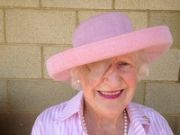
Yvonne (Bonnie) Roberts OAM
Inducted in 2013 for services to:
- Community, advocacy and inclusion
Yvonne (Bonnie) Roberts OAM
Inducted in 2013 for services to:
- Community, advocacy and inclusion
Born: 28 Jun 1927
(Hobart, Tasmania)
Passed: 15 Jul 2024
Bonnie is pragmatic and inspirational. She gets on with it. What happens is what she deals with.
Yvonne (Bonnie) Roberts OAM has a quick sense of what is needed and continues to help others despite her long battle with a rare form of melanoma.
In 2002, Bonnie was awarded the Medal of the Order of Australia (OAM) for service to the community, particularly women, through the National Council of Women of Tasmania and Caroline House. In 1980 the Royal Hobart Hospital awarded Bonnie a 15-year Long Service medal for her continuous and regular assistance with the Central Auxiliary.
Bonnie joined the National Council of Women in 1966 and has played an active role as a member of the Executive for over 46 years. She has served as State President, Vice President and Convener of numerous sub-committees. In this role she helped facilitate initiatives of lasting benefit to the community which include: promoting the establishment of a tertiary school of social work; the establishment of Salamanca Market (as requested by the initiator, Dr. John Clemente); and lobbied to retain the historic Cascades Female Factory. Bonnie has also served the Council on matters relating to housing, women and employment, legislation concerning the status of women, and mass media.
As a foundation board member of Caroline House, Bonnie steered the home from being totally funded by voluntary contributions to a fully recognised, government-funded shelter for women and later women with children. Bonnie highlighted the work of Caroline House by arranging delegations to meet politicians and bureaucrats.
Bonnie and her husband initiated and organised monthly bus trips, regular functions and holidays for elderly people for 21 years.
Between 1973 and 1979, Bonnie and her husband organised drug education seminars in Hobart and Launceston.
With Council members, Bonnie contributed to a range of social policy issues through submissions, including the Safe at Home response system for victims of domestic violence.
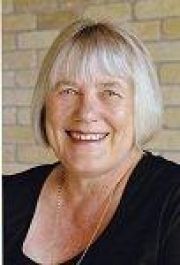
Pauline Shelley
Inducted in 2013 for services to:
- Community, advocacy and inclusion
Pauline Shelley
Inducted in 2013 for services to:
- Community, advocacy and inclusion
Born: 14 Apr 1946
An astute grasp of complex situations
Pauline Shelley was the first female directly appointed as Tasmanian Industrial Commissioner in 2000 and was elevated to Deputy President of the Commission in 2004 before retiring in 2010.
When hearing industrial matters, Pauline had a reputation for being facilitative; ensuring inexperienced advocates were afforded any guidance needed.
Pauline was a long-time advocate for Tasmanian working women - taking pioneering roles in the trade union movement, developing the childcare industry and improving conditions and recognition of women in workplaces.
Her first job in Tasmania was as a Hobart Women's Shelter crisis worker, Pauline went on to establish the Kingborough Family Day Care, in 1983 to provide an alternative, childcare option and to provide women with home-based employment.
As Kingborough Family Day Care coordinator, Pauline became an active unionist with the Municipal Officers' Association and an organiser for the Miscellaneous Workers' Union in 1988.
Pauline knew women's work was not properly valued and rewarded and a truly significant achievement was the establishment of a childcare industry award that included a formal and recognised career path for childcare workers.
Conditions for childcare workers and children improved while Pauline chaired the Child Care Division, Tasmanian Community Services and Health Industry Training Advisory Board. Pauline was also a member of the Early Childhood Association and the Childcare Standards Advisory Committee. She was also Deputy President of the Tasmanian Association of Children's Services and was the inaugural recipient of their award for outstanding contribution in 1992.
Pauline was President and Secretary of the Miscellaneous Workers' Division from 1996 and President of the Amalgamated Liquor, Hospitality and Miscellaneous Workers' Union (now United Voice) from 1998, representing some of the most vulnerable and low paid workers, including women with casual, part-time or contract work in sectors such as childcare and cleaning.

Tasmanian Women in Agriculture
Inducted in 2013 for services to:
- Agriculture/Primary industries
Tasmanian Women in Agriculture
Inducted in 2013 for services to:
- Agriculture/Primary industries
Founded: 1994
Recognising women on farms
Tasmanian Women in Agriculture (TWiA) are mothers, wives, partners in farms and fishing, and managers of agribusinesses. Many of them also work in towns. TWiA members have links with primary production and the special lifestyle and problems affecting rural families. They see themselves as, and are proud to be, rural women.
TWiA formed in 1994 and is recognised as Tasmania's largest voluntary organisation for rural women to seek connection, support and development opportunities. It has given rural women a united voice on important issues and government legislation that affect Tasmanian agriculture.
The group not only provides a shared vision for women in rural industries, but a strong and diverse support network for like-minded women who have experienced similar pressures and issues throughout their working and home lives.
TWiA has been a key player in the recognition of women and their skills in rural Tasmania. Since its inception, the number of women running rural businesses and participating on high level boards and committees has increased.
A number of TWiA's members are volunteer representatives on boards and committees including the: Rural Youth Advisory Committee; Rural Safety Awareness Council; National Rural Women's Coalition and Network; and the Tasmanian Rural Counselling Service and Community Review Committee - Threatened Species Unit.
TWiA has provided hundreds of programs for women and their families to improve their skills and confidence and to help cope with the changing and extreme circumstances of rural life. Programs have included: monthly discussion groups; Paddock to Parliament forums; child safety days; safe driver training; Rural Industries Research and Development Corporation Rural Women's Awards; Marcus Oldham Leadership Award Scholarships; judging and sponsorship of the University of Tasmania's Agricultural Science Awards; Boot the Drought and Boot the Blues for rural women; Beyond the Farm tours, succession planning workshops; GST and quality assurance workshops; and computer and first aid training.
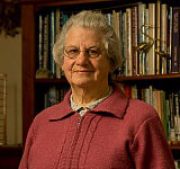
Melva Truchanas
Inducted in 2013 for services to:
- Environment
Melva Truchanas
Inducted in 2013 for services to:
- Environment
Born: 15 Jan 1930
Passed: 11 May 2022
"The eyes of the future are looking back at us, trying for us to see beyond our own time… that we might act with restraint" - Terry Tempest Williams, Red: Passion and Patience in the Desert
Melva Truchanas moved to Launceston in 1940. As a teenager, Melva channelled her energies into the Girl Guides' Movement , 'the war effort' and outdoors experiences. Following a year 'tramping' in New Zealand, Melva married Olegas Truchanas in 1956 who had escaped from the carnage of World War II in Eastern Europe.
When the Hydro Electric Commission planned to flood Lake Pedder, Olegas created a photographic presentation Tasmania's Wild South-West, adding to his educational lectures' series.Melva joined the South-West Committee and Lake Pedder Action Committee, and cared for their family.
1967 bushfires destroyed Truchanas' home and Olegas' slide collections documenting 17 years of journeys into Tasmania's then little-known South-West. Melva and Olegas' son, Nicholas, was born as the Save Lake Pedder outcry intensified. With the bid to save Lake Pedder dominating their lives, Olegas set about re-establishing his photographic collections.
In 1972, Olegas drowned in a canoeing accident on the Gordon River. The original Lake Pedder was flooded that year.
Melva raised her young family, worked in university administration, kept her 'green ideals': volunteering, mentoring, and becoming a passionate member of the Lake Pedder Restoration Committee, believing:
There is an inevitability about nature. When the dams are decommissioned nature will prevail... this disastrous decision should be remembered.
Melva felt other social changes were sought - Grey Parliament presented older citizens' ideas to Parliament; Hobart's Living Rivers Festival presented world-wide opinions against inappropriate river damming in 2000; and standing against Ocean Port in Hobart.
Melva's interests have been widespread. She was an inaugural Member of the Australian Plants Society Tasmania (now Life Member); a Member of the Friends of Cradle Valley; and Life Member of the Tasmanian Greens Party.
Melva's present mission is to prepare the archives of Olegas' work and ensure his collections are respected and preserved for generations to come.
Photo credit: Matt Newton (2010)
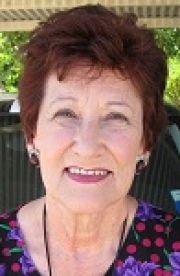
Annette Waddle
Inducted in 2013 for services to:
- Government (Public services and politics)
Annette Waddle
Inducted in 2013 for services to:
- Government (Public services and politics)
Born: 5 Nov 1938
(Smithton, Tasmania)
Passed: 25 Jun 2024
Unknowingly she became an 'ambassador' for Launceston
Annette Waddle was a staunch supporter of a range of causes and worked tirelessly for her community.
From the time Annette joined the Federation Association of Australian Housewives - Tasmania Branch in 1980, she encouraged many housewives to join the Association and rally for a better deal for consumers. Her relentless pursuit for consumer protection saw her use the media heavily to help fight for more accurate scanner pricing at supermarkets. She promoted her concerns by printing slogans on her car. The end result was that consumer complaints gained public notice and were addressed.
Annette was Tasmanian Vice President of the Federation Association of Australian Housewives from 1986 to 2005 and President of the Launceston branch.
In 1989, when Alderman Jandy Godfrey, the only woman on the Launceston City Council decided not to recontest her seat, Annette decided to run for Council and was elected. At that time, Annette was the only woman Alderman and the fifth woman to ever serve on the Launceston City Council.
After 21 years, Annette became the longest serving woman on the Launceston City Council and the longest serving female Deputy Mayor with six and a half years in the position. Annette was also one of the shortest serving Mayors. After the death of Mayor John Lees in November 2001, Annette served for three months.
Annette was an active member and President of the Lilydale Progress Association and was involved in improving various aspects of Lilydale.
Annette pushed for more public protection from mobile phone towers and their locations, by having motions passed at the Australian Local Government Association conference and by gaining political support.
Annette later moved into another area of dedication, being full time carer to her husband John of 52 years. She passed away in June 2024.